Yes, most full-service moving companies will pack for you. You can book packing as part of a full-service move or add it to a standard move. A professional packing service covers the labor to wrap and box your belongings, the boxes and materials, and labels on each box. You can hire movers to pack the whole house, a few rooms, or only the fragile items.
Nationally, packing services cost about $280 to $2,200 for a one to three bedroom home, according to ConsumerAffairs’ 2026 packing cost guide. Loading and transport are priced separately.
At College Bound Movers, professional packing is one of our core services for homes across New Hampshire and Northeast Massachusetts.
What Do Movers Pack?
Movers will pack almost everything that goes in a box. That usually includes:
- Kitchen items: dishes, glassware, pots, pans, utensils, and small appliances
- Clothing and linens: folded clothes, shoes, bedding, and towels, plus hanging clothes in a wardrobe box
- Books, decor, and keepsakes: picture frames, lamps, collectibles, and shelf items
- Electronics: TVs, computers, speakers, and gaming systems, packed in padded or TV-specific boxes
- Fragile and specialty items: mirrors, artwork, glass tabletops, and antiques, with extra padding or custom crates
- Storage areas: closets, basements, and garages, minus anything movers can’t safely transport
Packing services do not cover hazardous materials, perishable food, or plants. Both lists are further down.
How Professional Packing Services Work
Most packing jobs follow four steps: an estimate, a choice of service level, packing day, and moving day. The process is the same for a local move out of a one-bedroom apartment in Nashua and a four-bedroom house in Andover.
Step 1: Request an Estimate
Start by requesting a free moving estimate and telling the mover you want packing included. Be ready to share:
- The size of your home and the number of rooms
- Whether you want full, partial, or fragile-only packing
- Any high-value, oversized, or delicate items, such as artwork, mirrors, or large TVs
- Furniture that needs to be taken apart
- Your move date and how flexible it is
At College Bound Movers, your Move Specialist includes furniture disassembly time in your estimate, so tell them which pieces you need help with. Whichever mover you call, ask for packing labor and packing materials as separate line items. That makes quotes from different companies easier to compare.
Step 2: Choose a Packing Service Level
Next, decide how much of the packing you want to hand off. The usual options are full packing, partial packing, fragile-only packing, finishing work on a self-pack, and unpacking. Each is explained in the next section.
Step 3: Packing Day
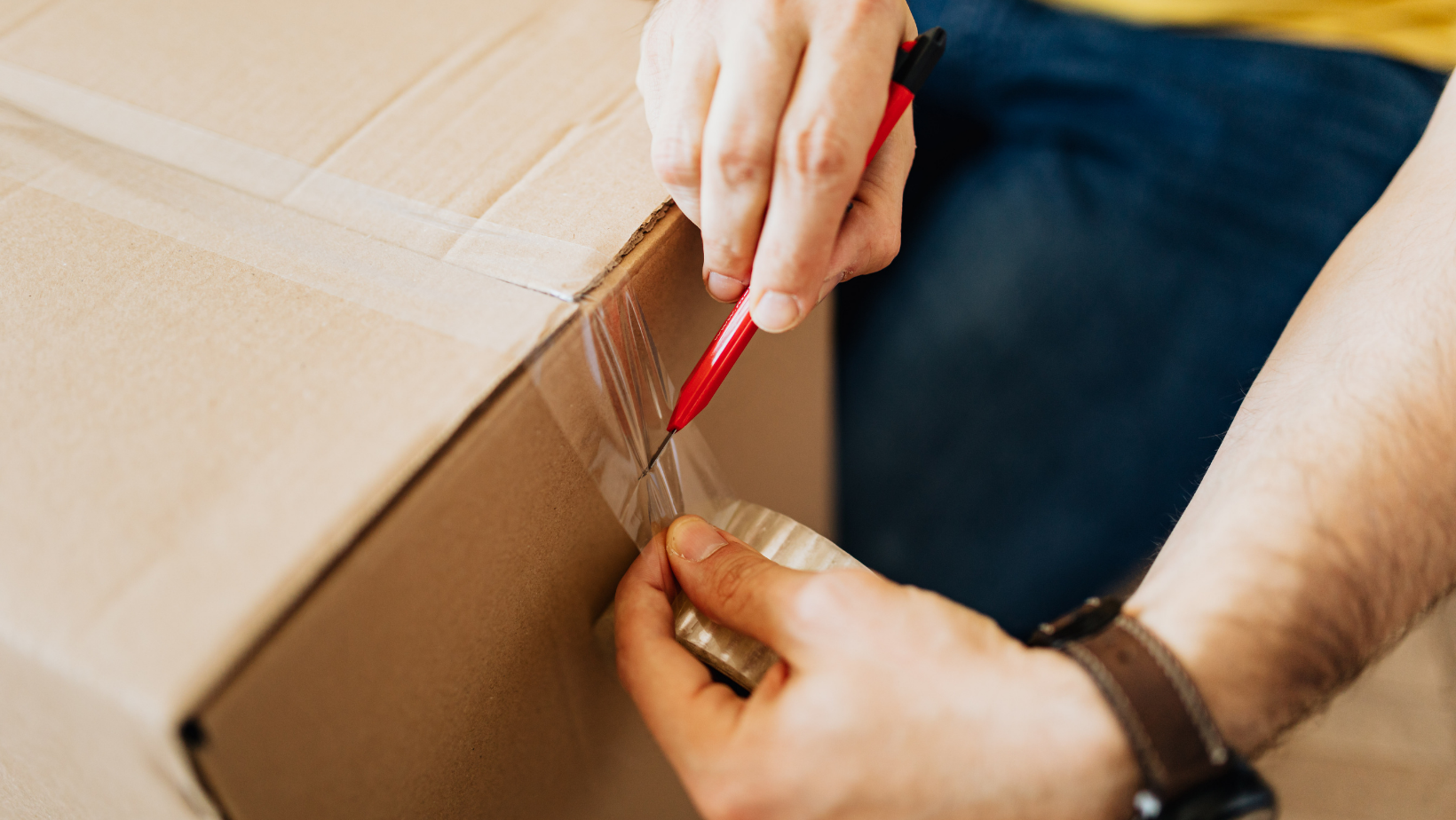
On packing day, the crew arrives with boxes, packing paper, tape, and specialty cartons, then works room by room. Packers wrap breakables individually, fill empty space so items don’t shift, and label each box with its contents and destination room.
Timing depends on the size of the job. ConsumerAffairs estimates 2 to 4 hours for two packers in a one-bedroom home and 6 to 8 hours for a three-bedroom home. A small apartment can often be packed on moving day. Larger homes are often packed a day or more ahead so loading stays on schedule. Plan to be home or reachable to answer questions.
Step 4: Moving Day
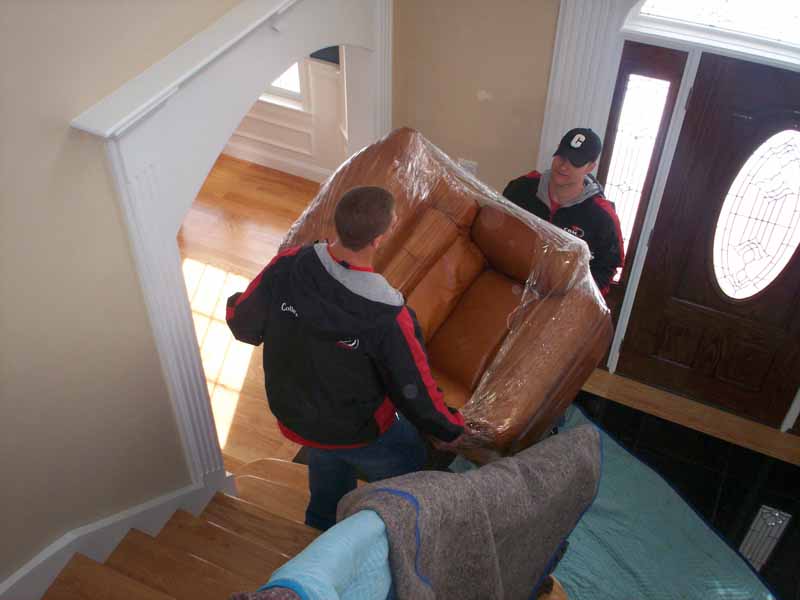
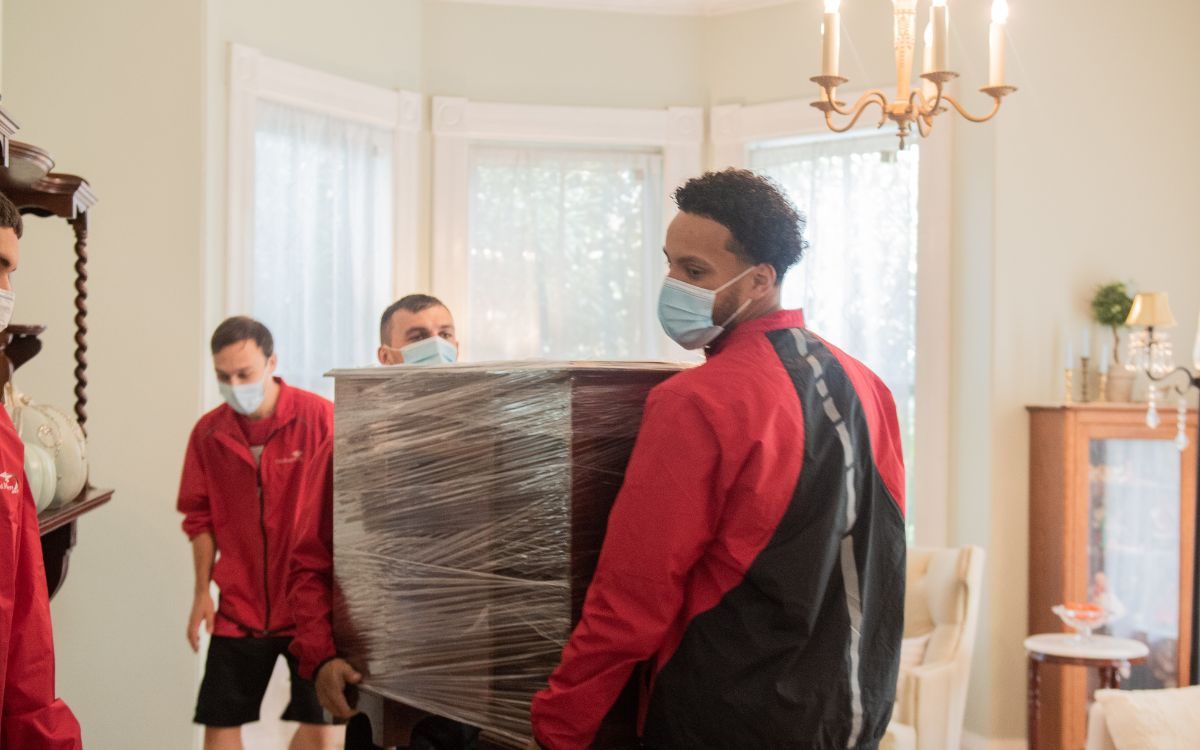
On moving day, the crew protects the furniture, loads the packed boxes, and drives everything to your new home. Because each box is labeled, the movers can set it in the right room when they unload. If you booked unpacking, confirm ahead of time what it includes and whether the crew hauls away used boxes and paper.
Types of Packing Services
Full-Service Packing
With full-service packing, the crew packs your entire home, from the kitchen cabinets to the clothes in your closets. It saves you the most time and gives you consistent packing from room to room. It suits large homes and long-distance moves where boxes spend more time on the road.
Many people book full packing as part of a full-service move, where one company handles packing, loading, transport, and unloading.
Partial Packing
Partial packing means the movers pack only the rooms or items you choose. The kitchen is a common pick because it holds so many breakable items and odd shapes.
Partial packing is also the simplest way to control cost. You pack the easy, unbreakable things, and the crew handles the rest.
Fragile-Item Packing and Custom Crating
Fragile packing covers glassware, china, artwork, antiques, and mirrors, which need more padding and sturdier boxes than everyday items. Packers typically use a dish pack (a heavy-duty, double-walled carton), cardboard cell dividers for glasses, and mirror cartons for framed pieces.
Some items are too large or delicate for a box. For large mirrors, sculptures, and sensitive electronics, College Bound Movers builds custom crates. If you plan to pack some breakables yourself, read our guide to packing fragile items first.
Finishing a Self-Pack
If you started packing and fell behind, a crew can finish the job. College Bound Movers offers finishing work as part of our packing services, so you don’t have to rush the night before.
Unpacking Services
Unpacking is the reverse of packing. The crew opens boxes and puts items where you want them. HomeAdvisor’s packing and unpacking cost data puts professional unpacking at about $100 to $1,400 on top of the packing bill.
How Much Do Movers Charge to Pack?
Most movers charge for packing by the hour, per packer, plus materials. Some offer a flat rate by home size or charge per box. For a one to three bedroom home, published national totals run from about $280 to $2,200.
National hourly estimates vary by source:
- ConsumerAffairs (updated September 2026) reports that most companies charge $60 to $80 per packer per hour.
- This Old House (updated June 2026, using HomeAdvisor data) lists $25 to $40 per packer per hour and notes that one packer can pack about 100 square feet per hour.
The gap is real. It likely reflects differences in region and in who is doing the work, since a licensed moving company and an independent hourly packer price their labor differently. Some hourly rates also include materials, and some don’t. Treat national averages as a starting point.
To estimate hourly packing labor, use this formula:
Number of packers x hours of packing x hourly rate = labor cost
ConsumerAffairs’ example: 2 packers x 4 hours x $70 per hour = $560.
Another way to budget: This Old House’s moving cost guide says professional packing typically adds 15% to 30% to the cost of a move.
These are national figures. College Bound Movers does not publish packing rates, because every home is different. We price packing in your estimate.
Packing Service Cost by Home Size
Expect roughly $280 to $650 to pack a one-bedroom home and $1,030 to $2,200 for a three-bedroom home, with labor and materials included. What you own matters more than square footage.
| Home size | Typical packing time | Labor + materials | Materials only |
|---|---|---|---|
| 1 bedroom | 2 to 4 hours (two packers) | $280 to $650 | $180 to $250 |
| 2 bedrooms | 3 to 5 hours | $530 to $1,000 | $350 to $500 |
| 3 bedrooms | 6 to 8 hours | $1,030 to $2,200 | $500 to $750+ |
| 4+ bedrooms | 8 to 12 hours (four or more packers) | $1,030 to $2,200 or more | $750 or more |
Sources: ConsumerAffairs for packing times and totals; HomeAdvisor for totals and materials. HomeAdvisor groups all homes with three or more bedrooms into one range, so the 4+ bedroom row is a floor, not a quote. National averages, not College Bound Movers pricing.
Packing Service Cost by Service Type
How a packing job is priced depends on the service. Hourly billing is the most common, with per-box and flat-rate pricing as alternatives.
| Service | How it’s usually priced | Published national figure |
|---|---|---|
| Full packing | Hourly or flat rate | $280 to $2,200 by home size. One flat-fee example: $900 for a three-bedroom home |
| Partial packing | Hourly | Packers x hours x rate. Example: $560 for 2 packers, 4 hours, $70 per hour |
| Per-box packing | Per carton | Examples: $10 per standard box, $15 per wardrobe box, $30 per dish pack |
| Unpacking | Add-on | $100 to $1,400 |
| Packing plus unpacking | Combined | $380 to $3,600 |
| Packing materials only | Per item or bundle | $180 to $750+, depending on home size |
| Custom crating | Per item | Quoted individually, based on size and fragility |
Sources: ConsumerAffairs for full, partial, and per-box examples; HomeAdvisor for unpacking, combined, and materials figures. National figures, not College Bound Movers pricing.
What Affects the Total Cost
Five things drive most of a packing bill:
- How much you own. Volume matters more than square footage. A lightly furnished three-bedroom home can cost less to pack than a two-bedroom home with a full basement and garage.
- Fragile and high-value items. China, glassware, and art take more time and more protective material. This Old House notes that fragile items can add up to two hours of labor.
- Packing materials. Specialty cartons cost more than standard boxes. HomeAdvisor lists standard boxes at $1 to $2.50 each, wardrobe boxes around $13, dish boxes around $15, and TV or picture boxes around $25.
- Timing. Summer, weekends, and the start and end of the month are the busiest and most expensive times to move, according to This Old House.
- Service level. Full packing costs more than partial or fragile-only packing. Unpacking adds to the total.
How to Lower Your Packing Bill
The most reliable way to pay less for packing is to have less to pack. Four steps help:
- Declutter first. Every item you sell, donate, or toss is one less item to pay for. Our guide on how to downsize before a move can help.
- Split the work. Pack books, linens, clothes, and toys yourself. Leave the kitchen and fragile items to the packers.
- Avoid peak dates if you can. Mid-week and mid-month dates outside of summer tend to cost less and are easier to book.
- Ask how materials are billed. Some movers include materials in the hourly rate. Others bill each box. Know which before you sign.
What Movers Won’t Pack (and What You Should Handle Yourself)
Movers won’t pack or transport hazardous materials, perishable food, or plants. The FMCSA’s Your Rights and Responsibilities When You Move handbook also warns that shipping perishable, dangerous, or hazardous materials without your mover’s knowledge can limit the mover’s liability.
Items Movers Won’t Pack or Move
Each mover keeps its own list of restricted items. At College Bound Movers, our hazardous items list includes:
- Flammable and explosive items: gasoline, kerosene, propane tanks, lighter fluid, matches, charcoal, fireworks, guns, and ammunition
- Chemicals and cleaners: bleach, ammonia, pool chemicals, pesticides, fertilizer, paint, paint thinner, and nail polish remover
- Pressurized items: aerosol cans, fire extinguishers, and scuba tanks
- Batteries and fuel-powered equipment: car batteries, motor oil, and yard equipment with fuel in it
- Alcohol: liquor and other alcoholic beverages
- Perishables: frozen food, opened food, meat, produce, plants, liquids in glass containers, and anything that needs refrigeration
Plan to use up, give away, or properly dispose of these items before moving day. If you aren’t sure about an item, ask your Move Specialist.
Items You Should Keep With You
Some things should ride with you, not on the truck, even though movers could physically pack them. We recommend carrying:
- Passports, deeds, and other important documents
- Jewelry and coin or stamp collections
- Credit cards, checkbooks, and financial records
- Computer backup drives
- Travel tickets and itineraries
It also makes sense to carry your laptop, medications, and a few days of essentials.
How to Prepare Before the Packers Arrive
A little prep keeps packing day short, which keeps an hourly bill down:
- Set up a “do not pack” zone. Use an empty closet, a bathroom, or your car for items going with you. Tell the crew lead where it is.
- Empty your dressers. We prefer dressers emptied. Light clothing can stay in the bottom two drawers, but remove anything heavy or fragile.
- Take out the trash and do the laundry. Packers pack what’s in the room.
- Point out special items. Flag heirlooms, artwork, and anything that needs disassembly or crating.
For more prep questions, see our packing and moving FAQs.
Is Hiring Movers to Pack Worth It?
For many households, yes, at least for part of the home. Professional packing costs more than doing it yourself, but it takes hours instead of days and puts you in a stronger position if something breaks.
| Factor | DIY packing | Professional packing |
|---|---|---|
| Cost | Materials only, about $180 to $750+ | Labor plus materials, about $280 to $2,200 for 1 to 3 bedrooms |
| Time | 10 to 20 hours for a studio. Longer for a house | 2 to 8 hours for 1 to 3 bedrooms. 8 to 12 hours for 4 bedrooms |
| Damage claims | May be harder to establish for boxes you packed | No self-packing question, because the mover packed the box |
| Effort | All yours, often on nights and weekends | You answer questions and make decisions |
Sources: HomeAdvisor for materials costs; ConsumerAffairs for professional costs and packing times; FMCSA for claims guidance.
How Packing Affects Damage Claims
Who packed the box can affect a damage claim. The Federal Motor Carrier Safety Administration’s liability guidance says that if articles you packed are damaged, it may be more difficult to establish your claim against the mover.
The level of liability you choose matters too. Under federal law, interstate movers must offer two options:
- Full Value Protection. The mover is responsible for the replacement value of lost or damaged goods. It costs extra and applies unless you waive it.
- Released Value. This option is free, but the mover is liable for no more than 60 cents per pound per article. FMCSA’s example: a damaged 25-pound TV would pay out $15.
These federal rules cover moves that cross state lines. Moves within one state follow that state’s rules, so ask your mover what protection applies to a local move in New Hampshire or Massachusetts.
When Professional Packing Is Worth It
- You have a full-time job, kids, or a tight timeline
- You own a lot of dishes, glassware, art, or antiques
- You are moving a three-bedroom home or larger
- You are moving long distance, where boxes are on the road longer
- You have physical limits or are helping a parent move
When Packing Yourself Makes Sense
- You live in a studio or small apartment with few breakables
- You have weeks of lead time
- Your budget is tight and your schedule is flexible
Our Take: The Hybrid Approach
For many families, a partial pack is the best value. Pack the low-risk items yourself, then pay packers to handle the kitchen, the fragile items, and anything valuable. You save on the easy boxes and spend where technique matters. If you’d rather pack it all yourself, you can still buy packing supplies from us and book labor-only help for the heavy lifting.
Frequently Asked Questions
Do movers pack for you?
Yes. Most full-service moving companies offer packing as part of a full-service move or as an add-on. You can choose full packing, partial packing, fragile-only packing, or unpacking at your new home.
Will movers pack for me if I only need a few rooms done?
Yes. That’s partial packing. Many people pack bedrooms and closets themselves and have the movers pack the kitchen and fragile items.
How much do movers charge to pack?
Most movers charge by the hour per packer, plus materials. Published national rates range from about $25 to $80 per packer per hour. Total packing service cost runs about $280 to $650 for a one-bedroom home and $1,030 to $2,200 for a three-bedroom home, per ConsumerAffairs and HomeAdvisor.
Do moving companies provide boxes?
Yes. When you book packing, the crew brings the boxes and materials. Some movers build materials into the hourly rate and others bill them separately. If you pack yourself, many movers sell supplies. College Bound Movers sells small, medium, large, and extra-large boxes, plus wardrobe, lamp, mirror, and TV boxes, mattress covers, shrink wrap, tape, and packing paper. You can pick up supplies at our Merrimack, NH headquarters, and delivery is free within 10 miles.
How long does professional packing take?
A one-bedroom home takes two packers about 2 to 4 hours. A three-bedroom home takes about 6 to 8 hours. A four-bedroom home can take 8 to 12 hours with four or more packers, according to ConsumerAffairs. The same source estimates 10 to 20 hours to pack a studio apartment yourself.
Do movers pack dresser drawers?
Policies vary by mover. At College Bound Movers, we prefer that you empty dressers. Light clothing can stay in the bottom two drawers, but heavy or fragile items must come out.
Are movers responsible for boxes I pack myself?
They can be, but the claim is harder to make. FMCSA says it may be more difficult to establish a claim for boxes you packed. On an interstate move, you have nine months from delivery to file a written claim, per the FMCSA handbook. Photograph any crushed or damaged box before you open it.
Should I tip packers?
Tipping is optional but common. Our rule of thumb is $5 to $10 per mover per hour. Consider more for heavy or fragile items and for difficult conditions like stairs.
Get a Moving and Packing Estimate
Movers will pack for you, and you decide how much. Whether you need a full pack, help with the kitchen, or a crew to finish what you started, College Bound Movers can build packing into your move plan and your estimate.
We have more than 30 years of experience moving households across New Hampshire, Northeast Massachusetts, and beyond. Our movers are trained employees on our payroll. We don’t use temp agencies, and we have never subcontracted our labor. See our residential moving services, which include packing and unpacking, then request your free moving and packing estimate or call (603) 882-6683.