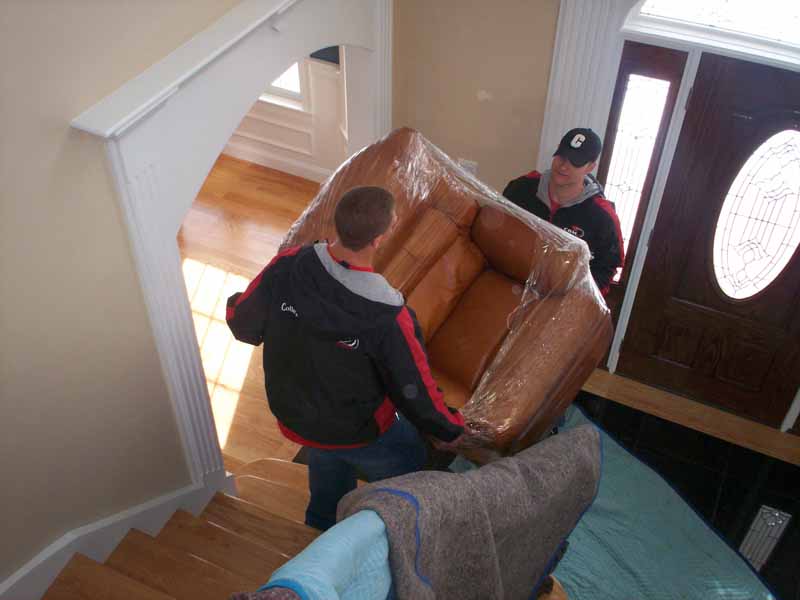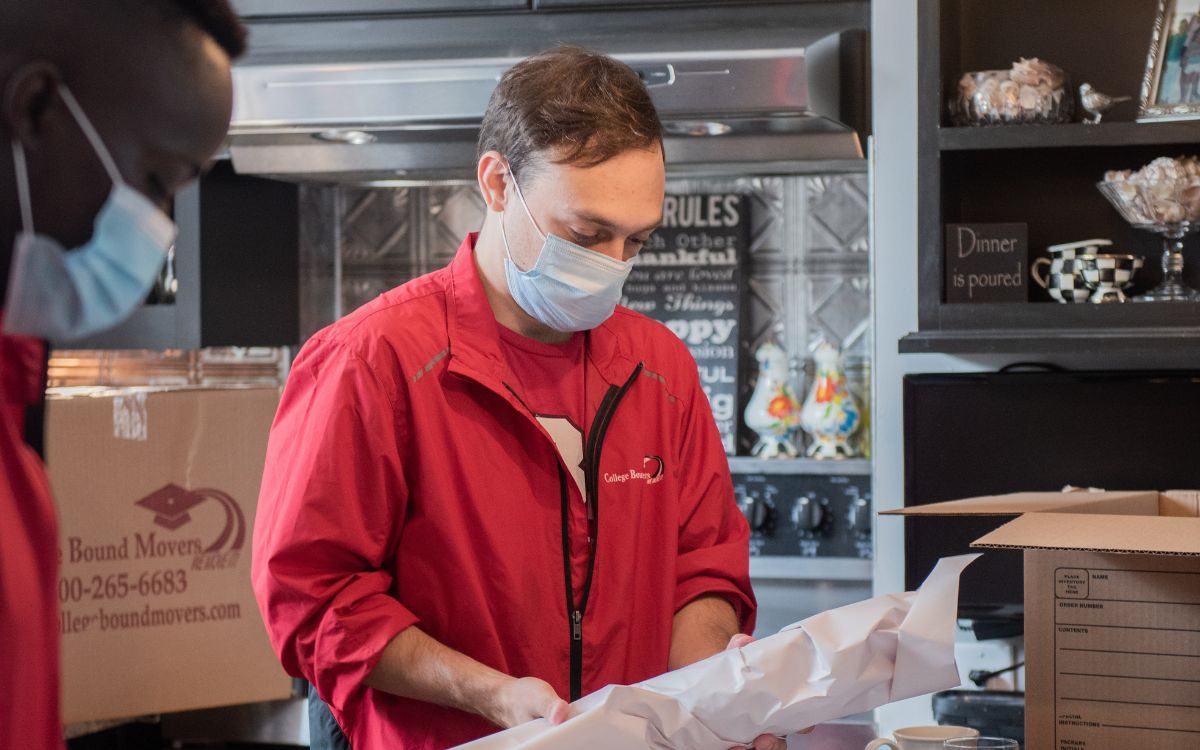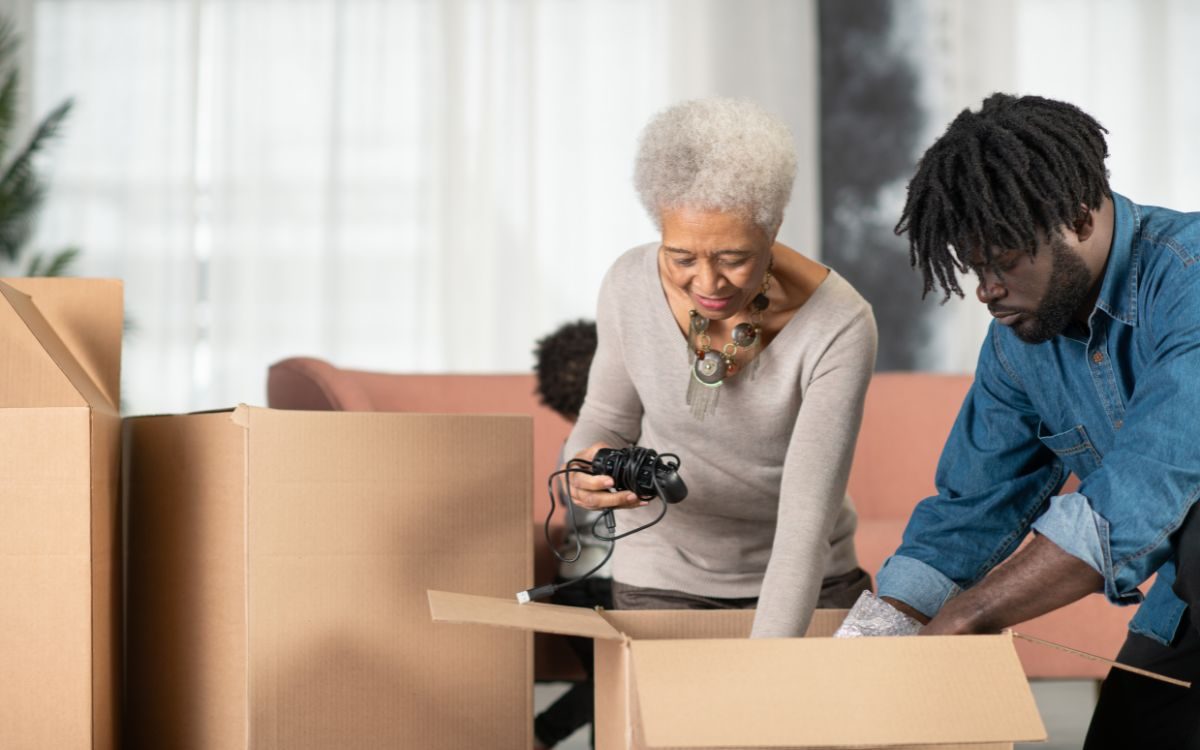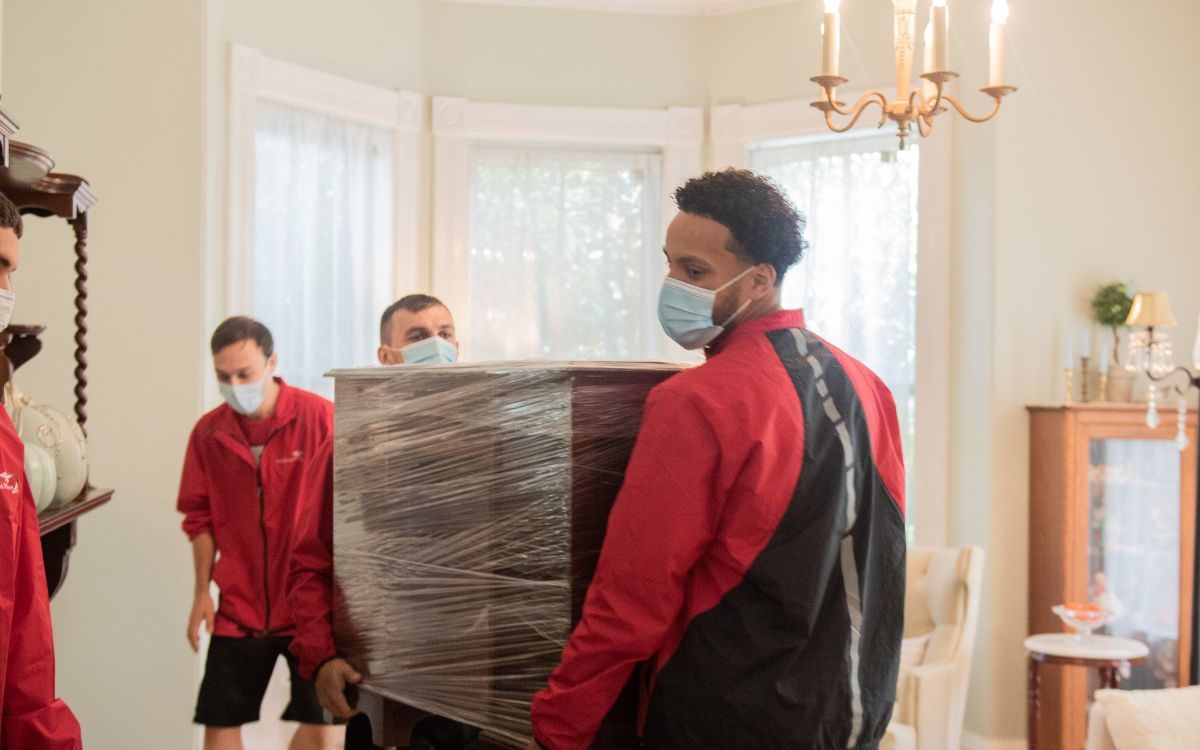

If you have a lot of fragile items to pack and move, such as vases, mirrors, or antiques, you understandably may be concerned about how you will safely get them from one home to the other unscathed. You can ask your New England mover to help with the fragile packing, but we also thought we would compile these helpful tips if you decided to tackle the job yourself.
Packing fragile items is one of the most stressful parts of preparing for a move. Whether you’re moving down the road in Manchester, NH, relocating your family to Portsmouth, or planning a long-distance move across New England, ensuring your delicate belongings make it safely from point A to point B is essential. Broken dishes, cracked picture frames, or damaged electronics can turn what should be an exciting new chapter into a frustrating and expensive headache.
At College Bound Movers, we’ve been helping families and businesses move across New Hampshire and New England since 1991. With decades of experience, our professional movers know exactly how to protect delicate items and reduce the risks that come with transporting them. In this guide, we’ll share five easy tips for packing fragile items and breakables, along with a step-by-step breakdown for specific belongings.
1. Prepare Well Beforehand
Plan Ahead to Protect Fragile Items During Your Move
The first step to protecting your fragile items is giving yourself enough time. Many people underestimate how long packing takes, especially for delicate belongings that need extra attention.
- Start at least two weeks before moving day if you have a typical household.
- Make a checklist of fragile items: dishes, glasses, mirrors, lamps, electronics, antiques, and artwork.
- Designate a packing area in your home where fragile items can be carefully sorted and wrapped.
If you’re moving from a busy city like Boston, MA, or a college town like Durham, NH, where housing turnover is high, it’s even more important to start early. Moving trucks, packing supplies, and professional movers can book quickly, especially during peak summer months in New England.
Pro tip: If you don’t have time to plan or pack properly, College Bound Movers offers professional packing services. Our trained team knows the safest techniques for fragile items, saving you stress and time.
2. Gather the Right Tools
Essential Packing Supplies for Fragile Belongings
Using the right materials makes all the difference between a smooth move and broken boxes. At a minimum, you’ll want to gather:
- Sturdy moving boxes (small, medium, and specialty dish/glass boxes)
- Bubble wrap and packing paper (avoid newspapers for valuables, as ink can transfer)
- Packing tape (extra-strong for securing boxes)
- Scissors or a box cutter
- Markers and labels (for clearly identifying fragile items)
- Packing peanuts or crumpled paper (for cushioning empty spaces in boxes)
If you’re tackling a move in a historic New Hampshire town like Concord or an older neighborhood in Portland, ME, where many homes have narrow staircases or tight hallways, using smaller boxes for fragile items is crucial. Smaller boxes are easier to carry and reduce the chance of dropping or tilting items.
Pro tip: College Bound Movers can provide packing materials in advance, so you don’t have to worry about sourcing supplies.
Choosing the Right Packing Paper for Fragile Items
Not all wrapping materials work the same way. The type of packing paper you choose depends on what you’re protecting.
- Acid-free tissue paper works best for silver, fine china, and artwork. It prevents tarnishing and chemical damage over time.
- White packing paper (newsprint without ink) is the go-to for most dishes, glasses, and everyday breakables. It’s affordable and effective.
- Kraft paper is thicker and provides extra cushion for heavier items like ceramic vases or cast-iron cookware.
- Bubble wrap adds an outer layer of shock absorption. Wrap items in paper first, then bubble wrap, so the bubbles don’t leave impressions on delicate surfaces.
Avoid using printed newspaper directly on valuables. The ink smudges onto porcelain, glass, and painted surfaces, and it can be difficult to remove.
3. Label Every Box
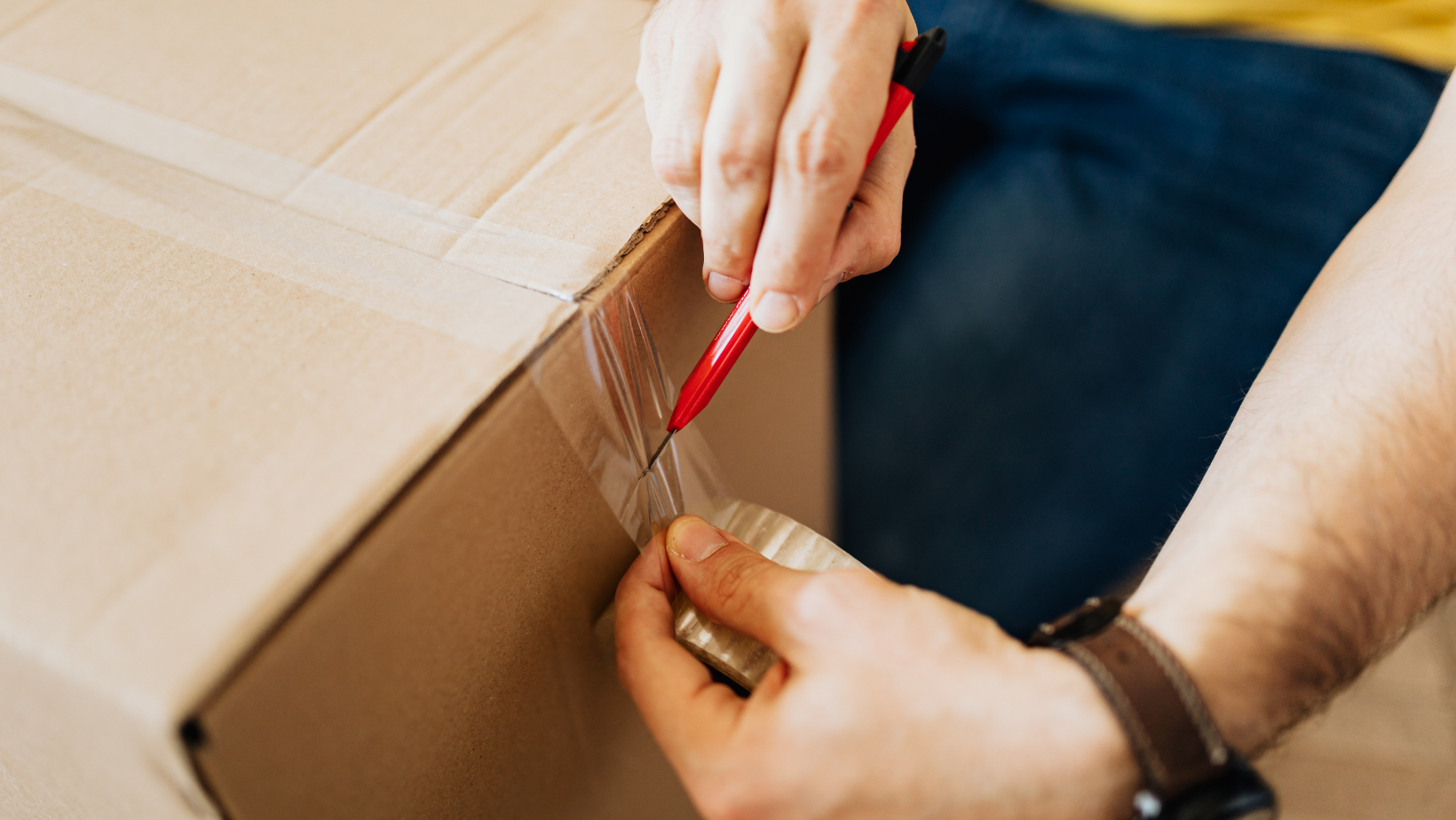
Clearly Label Fragile Boxes for Safer Handling
Labeling isn’t just about making unpacking easier. It’s about safety. A box marked “fragile” is far less likely to be stacked under something heavy or handled carelessly.
Here’s how to do it effectively:
- Write “FRAGILE” in bold letters on at least three sides of the box.
- Add arrows or “This Side Up” indicators.
- Include a short description: “Glassware, Kitchen” or “Picture Frames, Living Room.”
When moving through busy areas like Nashua or Lowell, MA, where movers often carry items quickly through apartment complexes, clear labeling ensures fragile items are treated with the care they deserve.
Pro tip: If you hire local movers in New Hampshire, clearly labeled boxes make it much easier for the crew to load and prioritize them correctly in the moving truck.
4. Know Proper Packing Techniques
Use the Right Packing Techniques for Fragile Items
Every type of fragile item requires a slightly different technique. A set of wine glasses won’t be packed the same way as a flat-screen TV or a delicate canvas painting. Proper technique reduces the risk of items shifting inside the box or being damaged during bumps on the road.
For example:
- Plates should be stacked vertically, not flat.
- Glasses should be wrapped individually and placed upright.
- Mirrors and artwork should be cushioned with cardboard and bubble wrap.
Pro tip: For especially delicate or high-value items (antiques, heirlooms, or artwork), consider College Bound Movers’ specialty packing services.
5. Restrict Product Movement
Prevent Shifting and Breakage with Smart Packing
Even the best-packed fragile items can break if they move around inside a box. To prevent shifting:
- Place items in the center of the box with padding on all sides.
- Use packing peanuts, crumpled paper, or bubble wrap to fill empty spaces.
- Shake the box gently before sealing. If you hear movement, add more cushioning.
- Heavier items always go at the bottom; lighter ones at the top.
This is especially important for long-distance moves across New England, for example from Keene, NH to Hartford, CT, where boxes spend hours on highways and are more prone to shifting during transit.
How to Pack Breakables Without Bubble Wrap
Not everyone has bubble wrap on hand, and buying it in bulk gets expensive. The good news: you can pack breakables safely with items you probably already own.
Household alternatives that work:
- Socks and t-shirts. Wrap glasses and small vases in thick socks. Stuff balled-up t-shirts between items for cushioning.
- Towels and dish cloths. Wrap plates, bowls, and serving dishes in kitchen towels. This serves double duty because you’re packing the towels anyway.
- Blankets and bed linens. Wrap larger breakables like lamp bases or framed art in blankets. Secure with rubber bands or tape.
- Crumpled packing paper. Cheaper than bubble wrap and nearly as effective for absorbing shock. Crumple sheets into balls and fill every gap inside the box.
- Egg cartons and cardboard dividers. Cut cardboard into grid inserts to separate glasses and small jars inside a box.
What to avoid: Plastic bags offer zero cushion and trap moisture. Styrofoam peanuts alone aren’t enough without an inner wrap around each item.
This approach works well for local moves with shorter drive times. For long-distance relocations, bubble wrap is still the safest bet for high-value items.
How to Pack Fragile Items: Step-by-Step Guides
Different fragile belongings call for different packing methods. Here’s a detailed guide for each.
How to Pack Plates Safely
- Wrap each plate individually with bubble wrap or packing paper.
- Place plates vertically in a small box, like records in a crate.
- Add packing paper between each plate.
- Fill empty space with crumpled paper so nothing shifts.
How to Pack Dishes with Bubble Wrap
For your best china and everyday dishes alike, bubble wrap provides the most reliable protection.
- Lay a sheet of bubble wrap flat on your packing surface.
- Place the dish in the center and fold the wrap over the top, tucking the edges underneath.
- Secure with a small piece of tape.
- Stack wrapped dishes vertically inside a small or medium box.
- Fill remaining gaps with crumpled packing paper.
- Close the box and shake it gently. If anything moves, add more paper.
Best Way to Pack Glasses and Stemware
- Wrap each glass in bubble wrap or packing paper.
- Place upright in a divided box or dish pack.
- Cushion the bottom and top with extra padding.
- Store heavier glasses at the bottom of the box.
How to Pack Vases for Moving
Vases are tricky because of their irregular shapes and thin walls. Glass vases and ceramic vases need different levels of protection.
For small to medium glass vases:
- Stuff the inside of the vase with crumpled packing paper. This supports the walls from the inside.
- Wrap the outside with two layers of bubble wrap. Secure with tape.
- Place the vase upright in a small box. Fill all gaps with crumpled paper.
- If moving multiple vases, don’t let them touch. Place cardboard dividers between each one.
For large or oddly shaped vases:
- Fill the interior with packing paper.
- Wrap the entire vase in a towel or moving blanket, then add a layer of bubble wrap.
- Place in a box that’s only slightly larger than the vase. Too much empty space lets it shift.
- Mark the box “FRAGILE, THIS SIDE UP” on all sides.
For irreplaceable or antique vases, College Bound Movers offers custom crating through our packing services.
How to Pack Crystal and Porcelain for Moving
Crystal and porcelain are more brittle than standard glass or ceramic. They crack under pressure that regular dishes can handle.
- Wrap each piece in acid-free tissue paper first, then bubble wrap. This prevents surface scratching.
- Never stack crystal items. Place each piece in its own padded compartment.
- Use double-walled boxes for crystal. Standard single-wall boxes flex too much.
- Porcelain figurines and decorative pieces should be wrapped individually and placed in small boxes with heavy cushioning on all sides.
- Keep these boxes away from the edges of the moving truck where impacts are strongest.
Packing Lamps and Lampshades for Moving
- Remove bulbs and shades.
- Wrap lamp bases with bubble wrap.
- Store lampshades in separate boxes with soft paper.
- Label clearly: “Lamp Shade, Fragile.”
How to Protect Picture Frames When Moving
- Wrap frames in bubble wrap.
- Place in small to medium boxes standing upright.
- Add cardboard between frames for extra protection.
- Use crumpled paper around edges.
Tips for Packing and Moving a TV
- Remove accessories and cords.
- Wrap with a moving blanket or bubble wrap.
- Use the original box if available.
- Otherwise, purchase a specialty TV moving box.
Packing Specialty or Irregular-Shaped Items
- Wrap each piece carefully in bubble wrap.
- Place between two sturdy cardboard sheets.
- Cushion with crumpled paper to fill gaps.
- Avoid using newspaper ink on valuable pieces.
How to Pack Pictures and Mirrors Without Damage
- Apply painter’s tape in an “X” across the glass (to prevent shattering).
- Cover with cardboard or foam board.
- Wrap with bubble wrap and secure with tape.
- Place upright in a specialty mirror box.
Protecting Canvases During a Move
- Cover the front with acid-free paper.
- Wrap the entire canvas with bubble wrap.
- Store upright between sturdy boards.
- Avoid stacking heavy boxes against canvases.
How to Pack Antiques and Electronics for Moving
Antiques and electronics sit at opposite ends of the fragile spectrum, but both need specialized care.
For antiques, heirlooms, and collectibles:
- Photograph each piece before packing. This documents the condition in case of a damage claim.
- Wrap in acid-free tissue paper, then bubble wrap. Never use tape directly on wood, metal, or painted surfaces.
- Use custom-fitted cardboard inserts or foam padding for irregular shapes.
- For large antique furniture, moving blankets and professional wrapping offer the best protection.
For electronics (TVs, monitors, gaming consoles, home audio):
- Back up data on computers and hard drives before packing.
- Remove batteries from remotes and wireless devices.
- Wrap screens with a soft cloth first, then bubble wrap. Tape should never touch the screen surface.
- Use the original box and foam inserts when available. If not, choose a box that fits snugly with minimal extra space.
- Label cords with masking tape and store them in a separate zip-lock bag inside the same box.
For high-value antiques or sensitive business electronics, College Bound Movers offers custom crating and specialty packing to protect your most important pieces.
How to Store Fragile Items Safely
Sometimes you need to store fragile belongings before, during, or after a move. Whether you’re downsizing, staging a home for sale, or waiting for your new place to be ready, proper storage keeps breakables safe for weeks or months.
- Climate control matters. Heat, cold, and humidity can damage wood finishes, warp canvases, and crack ceramics. Choose a climate-controlled storage unit when possible.
- Don’t stack fragile boxes. Place them on shelves or at the top of a stack. Mark “DO NOT STACK” on boxes containing glassware, artwork, or electronics.
- Wrap extra for storage. Items in transit experience short-term vibration. Items in storage face long-term exposure to dust, pests, and temperature changes. Add an extra layer of protection compared to what you’d use for moving alone.
- Keep a box inventory list. Number each box and write down the contents. This saves time when you need to retrieve a specific item months later.
College Bound Movers offers portable storage containers that stay on your property or at our secure facility, giving you flexible access while your fragile items stay protected.
Get Professional Packing Help from College Bound Movers
Packing fragile items isn’t just about saving money. It’s about protecting the things you love. If you’re moving locally within New Hampshire (Manchester, Concord, Nashua, Portsmouth) or relocating across New England (Boston, Hartford, Portland, or beyond), College Bound Movers is here to help.
Since 1991, we’ve provided residential moving, commercial moving, portable storage, packing services, and labor-only moving solutions. Whether you need help packing a single fragile item or moving an entire household, our experienced movers know how to keep your belongings safe.
When You Choose College Bound Movers, You’re Choosing:
- Local movers who know New England’s neighborhoods, towns, and roads.
- Long-distance moving expertise for relocations across states.
- Corporate relocation services for offices and businesses.
- Portable storage containers for flexible moving and storage solutions.
Ready to Move Without the Stress?
Contact College Bound Movers today to schedule your move or request a free estimate. Let us take care of the packing and moving so you can focus on settling into your new home, whether that’s in the heart of Manchester, NH, near the historic streets of Portsmouth, or across state lines in the wider New England region.
Frequently Asked Questions
1. What is the best way to pack fragile items for a move?
The best way to pack fragile items is to wrap each piece individually with bubble wrap or packing paper, place them upright in sturdy boxes, and cushion all empty spaces with crumpled paper or packing peanuts. At College Bound Movers, we recommend smaller boxes for easier handling, especially when moving around tight staircases and hallways common in New England homes.
2. What packing supplies do I need for fragile belongings?
Essential supplies include small to medium moving boxes, bubble wrap, packing paper, strong tape, and markers for labeling. Specialty boxes, like dish packs or mirror boxes, are also highly recommended. College Bound Movers can provide professional-grade packing supplies for customers across New Hampshire and New England.
3. How do you pack dishes and plates to prevent breaking?
Wrap each plate individually in bubble wrap, place them vertically (not flat) in a box, and add packing paper between each one. Fill gaps with cushioning material and label the box clearly. This method ensures your kitchenware arrives safely, whether you’re moving locally in Manchester, NH or relocating across New England.
4. How can I protect glassware and stemware during a move?
Glasses should be wrapped individually, placed upright in a divided box, and cushioned with packing paper at the top and bottom. Stemware requires extra padding around delicate stems. For peace of mind, many customers hire College Bound Movers’ packing services to handle delicate glassware professionally.
5. How do I move mirrors, artwork, and picture frames safely?
Apply painter’s tape in an “X” across the glass, cover with foam board or cardboard, wrap in bubble wrap, and place upright in a specialty mirror box. For larger artwork or mirrors, our movers use moving blankets and professional techniques to protect them during transit across New England and beyond.
6. How do I pack fragile items without bubble wrap?
Use household alternatives like thick socks, towels, t-shirts, blankets, or crumpled packing paper. Wrap each item individually and fill every gap in the box. These methods work well for local moves. For long-distance moves or high-value items, bubble wrap or professional packing is still the safest option.
7. How should I pack vases and glass vases for moving?
Stuff the inside with crumpled paper, wrap the outside in bubble wrap, and place the vase upright in a snug-fitting box. Never let vases touch each other. Use cardboard dividers between multiple vases and fill all empty space with cushioning material.
8. Is it worth hiring movers to pack fragile items?
Yes. Professional movers like College Bound Movers have decades of experience packing and transporting delicate items such as TVs, antiques, and artwork. This reduces the risk of breakage and saves you valuable time, especially if you’re moving long distance or handling a corporate relocation in New Hampshire or New England.
9. Do College Bound Movers provide packing services in New Hampshire?
Absolutely. College Bound Movers offers full-service packing for residents and businesses in Manchester, Concord, Portsmouth, Nashua, and throughout New England. Whether you need help packing your entire home or just fragile items like dishes, mirrors, or electronics, our team has you covered.