According to the U.S. Census Bureau, the average person can expect to move 11 or more times in their lifetime, and that’s only in residential housing. Businesses relocate all the time too. You could say we’re a nation on the move. However, moving house and moving a business are entirely different processes. The only thing they have in common is things going from location A to location B.
Both residential and commercial properties hire movers to make the transition fast and painless. But those movers bring specific skill sets based on what needs to be transported.
So today we’re taking an in-depth look at the differences between residential and commercial moves.
Residential vs. Commercial Moves at a Glance
Short on time? Here is how the two move types compare side by side.
| Factor | Residential Move | Commercial Move |
| What gets moved | Household goods, furniture, personal items | Office furniture, electronics, machinery, files, inventory |
| Best timing | Daytime and weekdays, flexible | After hours, weekends, or holidays |
| Planning lead time | A few days to a few weeks | Several weeks to several months |
| Special equipment | Dollies, straps, basic tools | Toe jacks, forklifts, air bearings, skates, IT carts |
| Data security | Low concern | High, since records and client data are at stake |
| Business downtime | None | Every hour offline can cost revenue |
| How it is priced | Crew size and hours | Scope, equipment, after-hours labor, downtime |
| Insurance | Standard valuation coverage | Higher coverage for equipment and operations |
The rest of this guide breaks down each factor in plain terms.
Residential Moves
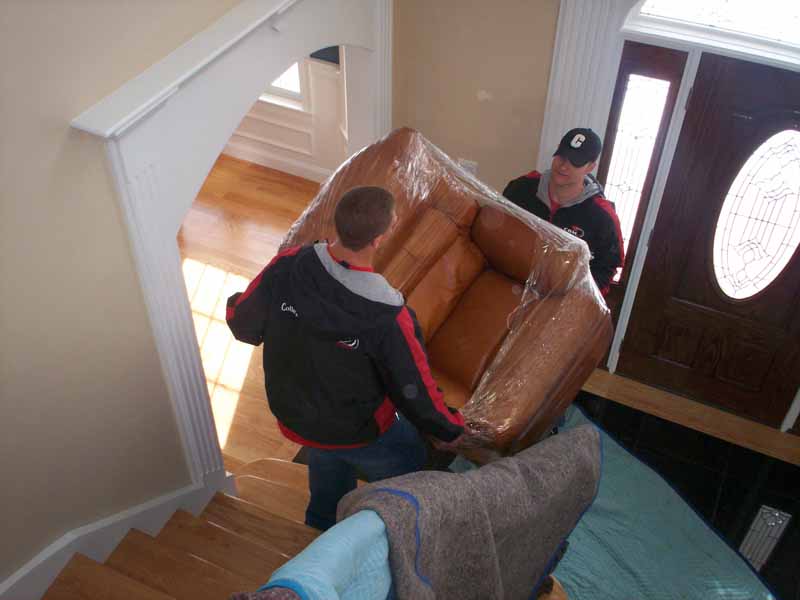
A residential move is any relocation of a home, apartment, or condo and the personal belongings inside it. Most of us have moved house at least once, and we know the trouble that comes with it. You pack your most precious belongings into boxes. Then you hire movers to get all of it to your new home.
For residential moves, the biggest challenge is transporting fragile or oversized furniture. This can include antiques and even pianos. All of it is easy to break and awkward to carry. That is why hiring professional residential movers matters.
Stressful as it may be, these moves are straightforward. A few skilled movers and the right truck make it easy. You can also add full-service movers who pack, load, and unpack for you. The worst part is unpacking all those boxes again.
Commercial Moves
A commercial move is the relocation of a business and its equipment to a new commercial property. These moves vary widely by business type. They range from moving corporate offices and retail stores to warehouses and factories. As a result, commercial moves are far more complex than residential ones. A problem during the move can also harm business operations.
Here are the unique factors that go into commercial moving.
Types of Commercial Moves
Not every business relocation looks the same. Common types include:
- Office moves: desks, cubicles, conference rooms, and computers for a single suite or a full floor.
- Retail and storefront moves: displays, shelving, point-of-sale systems, and stock.
- Warehouse and industrial moves: pallet racking, inventory, and heavy machinery.
- Medical and lab moves: sensitive instruments, samples, and patient records.
- Data center and IT moves: servers, network gear, and cabling.
Each type needs a different plan, crew, and toolset. Large office relocations often fall under corporate relocation, which adds employee logistics on top of the physical move.
Time
Typical residential moves happen during the day, within normal business hours. Commercial moves more often run after hours or on weekends. This limits the chance that the move will interrupt business operations.
Equipment
Commercial properties hold furniture and equipment you would never see in a home. So commercial movers arrive with a range of tools built for the job.
These can include:
- Toe jacks: Also known as floor jacks, toe jacks lift heavy machinery up to 60 tons on pump-operated models. They work in spaces a forklift cannot reach.
- Forklifts: A forklift hauls heavy equipment and machinery short distances. That makes it useful for loading industrial gear onto a truck.
- Lifting straps: Some appliances are too heavy for two people to lift by hand. For large items with few handholds, movers use lifting straps. The straps loop under the load and around the shoulders or forearms.
- Air bearings: Some commercial equipment weighs several tons. Air bearings inflate under a platform placed beneath the item. A steady air supply then floats the load for easy positioning.
- Roller skids: Roller skids bolt directly onto large equipment so it can roll into place.
- Skates: Machine skates are wheeled platforms placed under an item. They let movers roll heavy gear instead of carrying it.
Technology and IT Equipment
Office moves live or die on the technology. Computers, servers, monitors, and network gear are fragile, valuable, and easy to disconnect in the wrong order. Professional commercial movers label cables, pack devices in anti-static materials, and reconnect workstations at the new site. Good IT handling is the difference between reopening on day one and losing a week to downtime. For full office setups, ask about dedicated office moving services.
Planning
In a residential move, you pick a day and a destination and load up. Commercial moves are not that simple.
Moving a business takes serious planning. Owners look for days and times that disrupt operations the least. They also have to give customers and employees enough notice. Commercial movers work around the clock, so businesses can pick the best window, whether overnight or on a weekend. Planning also tells the crew exactly what equipment to bring.
Sensitive Materials
For office moves, sensitive material carries real risk. A business move often includes employee paperwork, financial records, and client information. If any of it is lost or ends up in the wrong hands, the company could face serious harm.
Data privacy laws also create a legal duty to protect information. That duty does not pause during a move. So commercial movers vet their crews carefully before letting them handle this material.
Weight
There is a lot of lifting in any business move. Commercial properties hold vending machines and photocopiers. Industrial sites add manufacturing equipment and other heavy gear. Moving items this large and awkward takes professional crews with the right equipment, training, and insurance to do it safely.
How Much Do Residential and Commercial Moves Cost?
Pricing works differently for each move type.
Residential moves are usually priced on crew size and hours, plus any packing or supplies you add. The bigger the home and the longer the job, the higher the quote.
Commercial moves are priced on scope and complexity. The estimate reflects specialized equipment, after-hours or weekend labor, and the cost of any downtime. A simple office suite costs far less than a warehouse full of machinery. The most accurate way to compare is to get a free moving estimate for your specific job.
Insurance and Liability
Residential moves typically carry standard valuation coverage for household goods. Commercial moves need broader protection. That coverage accounts for expensive equipment, sensitive data, and the cost of paused operations. Always confirm what a mover’s coverage includes before you book.
Residential vs. Commercial Storage
Storage needs differ as much as the moves themselves. Homeowners store seasonal items, furniture, and boxes during a transition. Businesses store inventory, records, and equipment, often with tighter security and inventory tracking. Both situations are easier with flexible storage services that match the size of the job.
Can One Company Handle Both Residential and Commercial Moves?
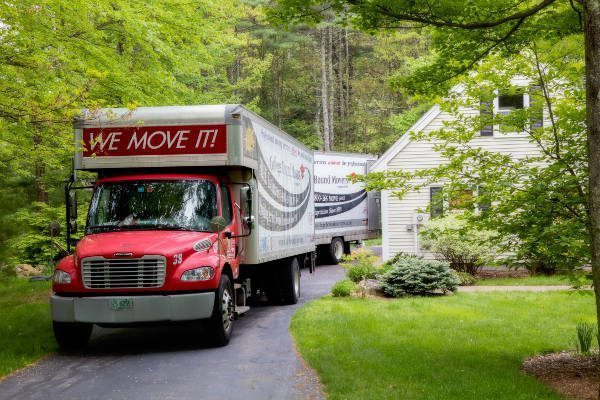
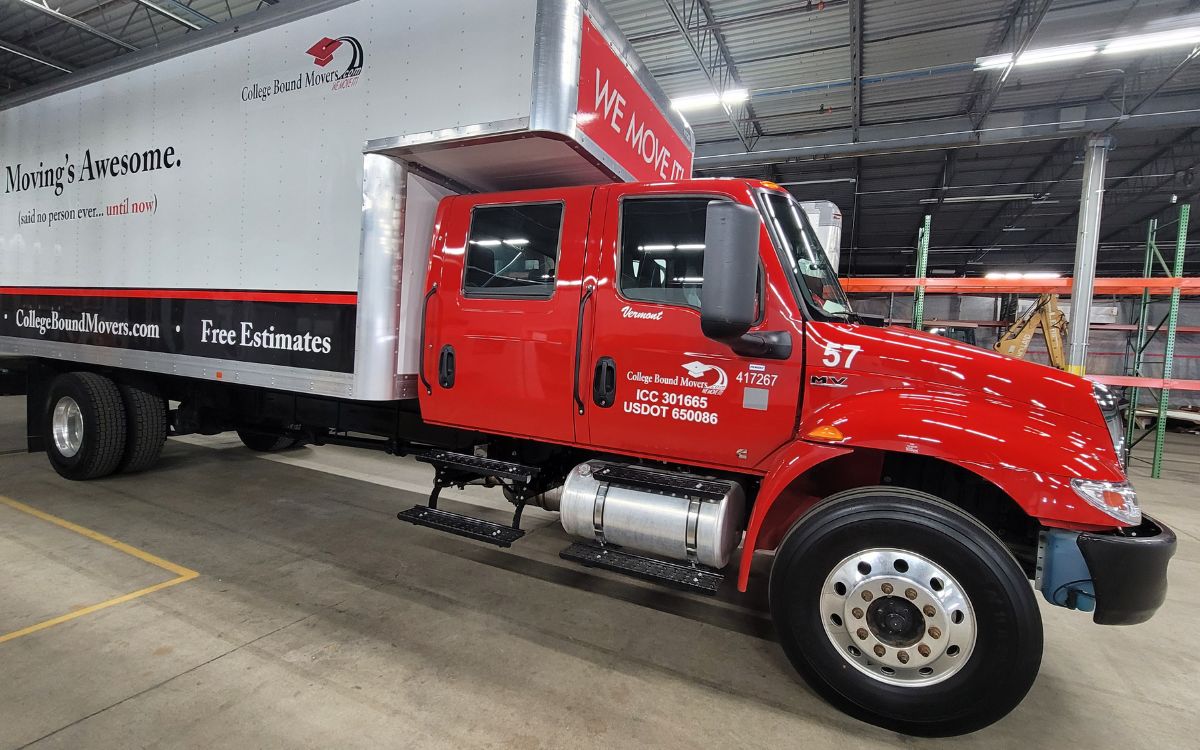
Yes. Some movers specialize in only one type, but a full-service company can do both. College Bound Movers handles residential and commercial moves, so you get one trained crew whether you are moving a household or a business. That saves you the trouble of vetting two separate companies for a mixed move.
Residential vs. Commercial Moving FAQs
What is a commercial move?
A commercial move relocates a business and its equipment to a new commercial space. It can cover an office, a store, a warehouse, or a factory. These moves are larger and more complex than home moves.
What is residential moving?
Residential moving is the relocation of a home and its personal belongings. It includes furniture, boxes, and household items moved to a new house, apartment, or condo.
What is the main difference between residential and commercial moving?
Scale and stakes. Residential moves focus on personal belongings on a flexible timeline. Commercial moves involve specialized equipment, tight schedules, data security, and the risk of business downtime.
How do commercial moving services differ from residential ones?
Commercial movers use heavy equipment like toe jacks and air bearings. They work after hours, plan around your business, and protect sensitive records. Residential movers focus on safe, efficient transport of household goods.
Are there movers who handle both residential and commercial moves?
Yes. Full-service companies like College Bound Movers cover both, with crews trained for each move type.
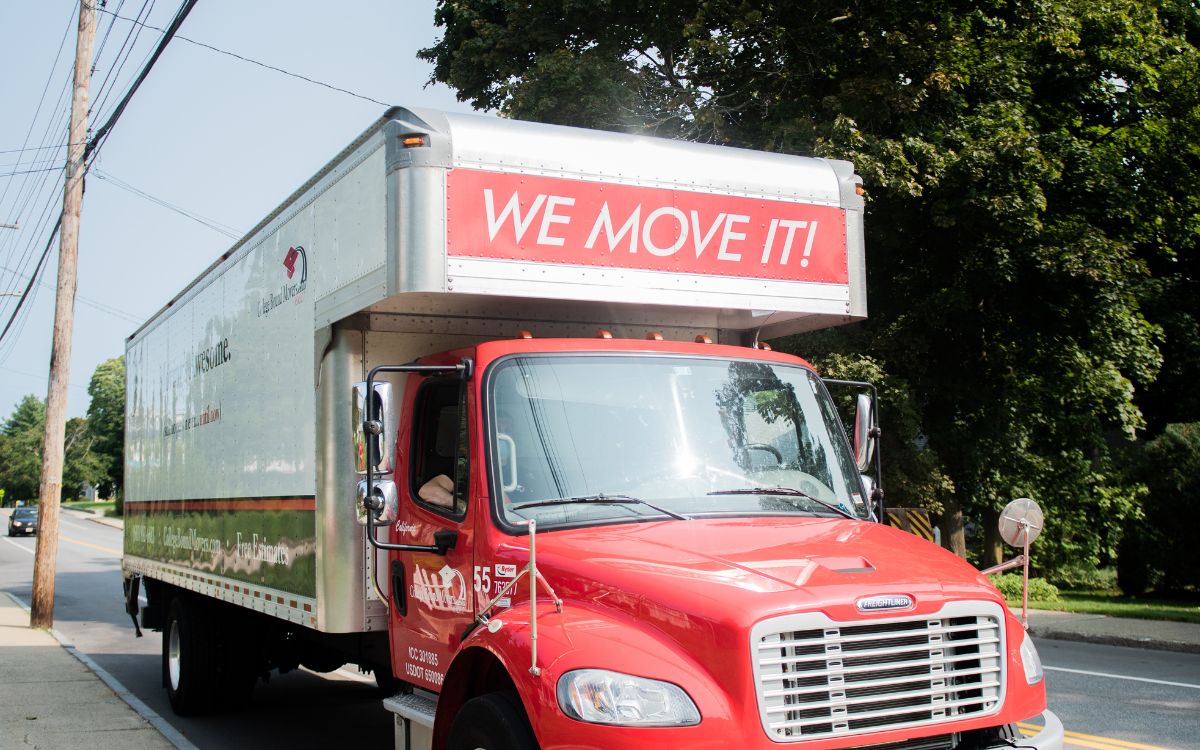
College Bound Movers is here to help!
Maybe you have outgrown your home. Maybe it is time to move your corporate office or relocate your storefront. Either way, you need a team with the experience to make it painless. You need College Bound Movers. Our professional movers have years of experience and training for residential and commercial moves.
Visit us online, and don’t hesitate to contact us today if you are ready to make your next big move.