
Corporate relocation moves a company’s furniture, equipment, files, and staff to a new workplace. Most businesses only get one shot at it. The clock is set by a lease end date you cannot move.
You may think your own team can handle it. That choice costs more than it saves. Below is what a commercial moving company does, what it protects you from, and how to vet one.

What Corporate Relocation Movers Actually Handle
A commercial mover plans the job, protects the building, and gets your people working again. The work covers:
- A pre-move survey of every desk, server, and filing cabinet
- A written estimate based on volume, access, and equipment type
- Disassembly and reassembly of desks, cubicles, and shelving
- Protective packing for electronics, records, and fragile equipment
- Floor and wall protection at both buildings
- Phased or after-hours scheduling so part of your team keeps working
- Setup at the new address so staff can sit down and start
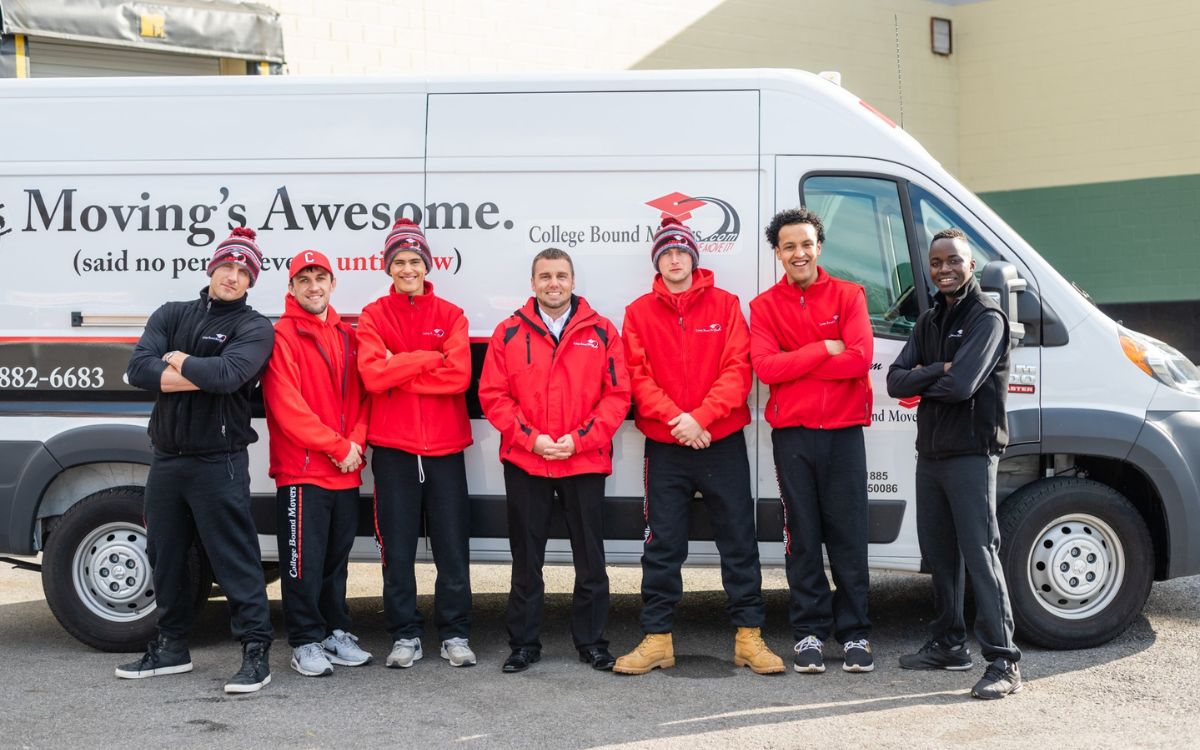
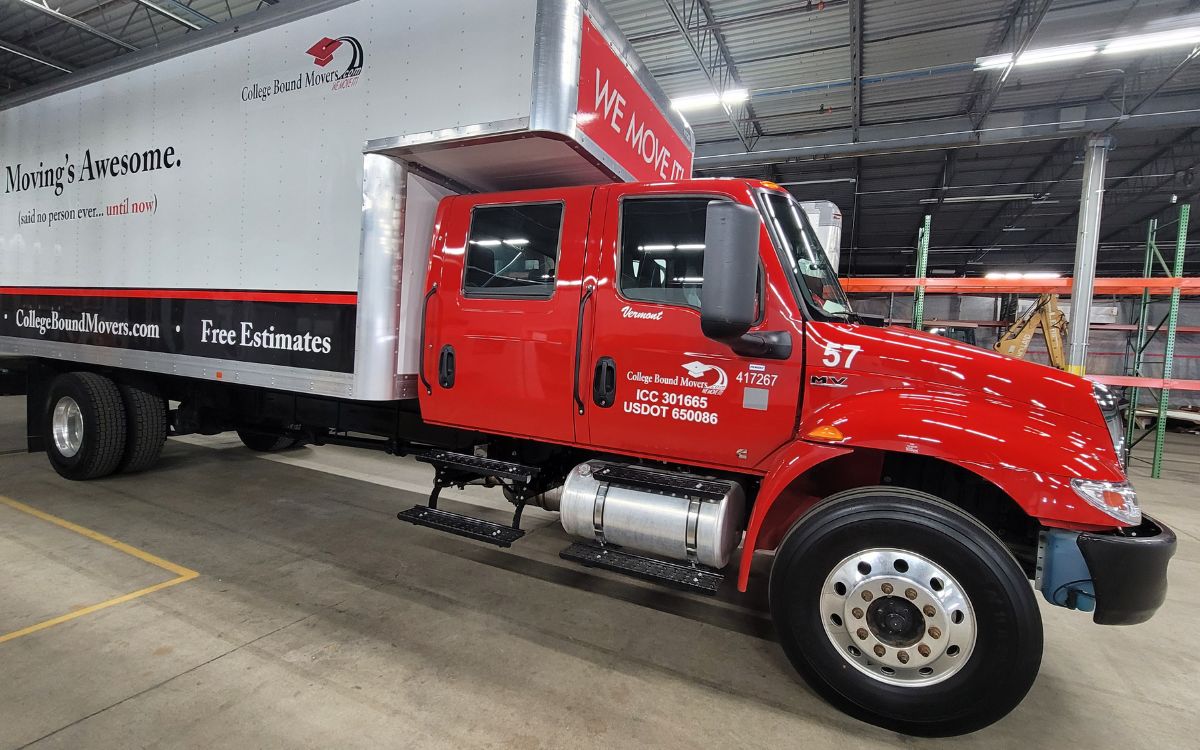
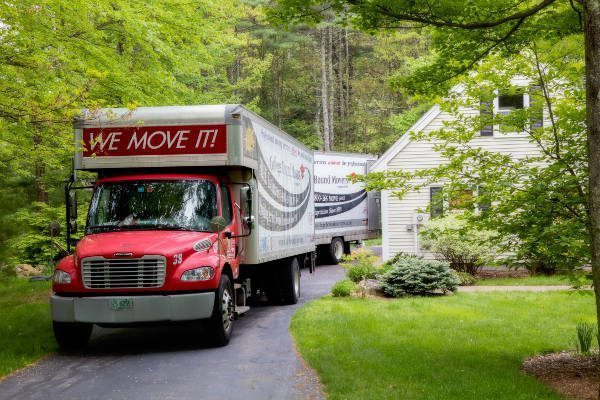
College Bound Movers has run commercial movers crews in New Hampshire and Massachusetts for over 30 years. Our clients include law offices, dental practices, retail stores, schools, and tech firms.
This is not a house move. Read how residential and commercial moves differ.
Commercial Movers Minimize Business Downtime
Plan for downtime. It matters most when the office or storefront is your only one.
Every hour your staff spends on the move is an hour nobody works. Planning, packing, and hauling stretch across days. Putting it all back takes even longer.
Hired movers change that math. Your team works until the last minute. They start again at the new address much sooner. Our office moving services can run outside normal hours.
A little downtime is normal. If clients need to reach you, a long outage costs trust first and money second.
Your Employees Are Not Office Movers
You may think your staff can handle it. If everyone pitches in, the job goes fast, right?
Usually not.
Your employees are not trained movers. They lack the gear. Unless you pay extra, this is not the work they signed up for.
If you already pay overtime for move help, that money belongs in the moving budget. Oxford research with British Telecom found staff were 13% more productive when happy. Drafting your team into heavy lifting works against you twice.
Hire pros. Your staff keeps doing the job you pay them for.
Handling a Corporate Relocation Yourself Takes Longer Than You Think
So you decide to do it alone. For a small office, that can look smart.
It rarely is.
Moving alone eats nights. You can spend a week of evenings hauling loads and still not be done.
You also lack the gear. Small boxes are easy. Copiers, safes, and server racks need dollies, straps, and skid plates. Stairs make it worse.
And you risk injury. If you only need muscle, our labor-only crews do the lifting. You keep the truck and the timeline.
Warehouse and Light Industrial Relocation
Warehouse moves follow different rules than office moves. Racking, pallets, forklifts, and workbenches need an order. The new site has to take stock before the old one shuts down.
Our crews handle warehouses and light industrial sites as well as offices. A warehouse move means:
- Inventory counted and labeled before anything leaves the dock
- Racking broken down, moved, and rebuilt in the new layout
- Staged loads so receiving can start while shipping still runs
- Dock scheduling coordinated with both landlords
Does your move cross state lines? See long distance business moves and moving your business out of state.
Licensed, Insured Commercial Movers Carry the Liability
Moving is hard physical work. Even easy jobs cause pulled muscles and broken bones.
If you or your staff get hurt on a DIY move, that lands on your business. Untrained people get hurt more often.
Pro movers carry their own license, workers’ comp, and liability coverage. An injury on our crew is our problem, not yours.
Most landlords want a certificate of insurance before a crew enters the building. Ask your mover for one early. Check whether the building owner must be named on it. Missing paperwork is a top reason move dates slip.
Protecting Office Equipment, Furniture, and Records in Transit
Anything you move, you put at risk. Things get dropped. Corners hit door frames. Walls take damage on the way out.
Bad loading causes the rest. Crushed desks and cracked monitors add cost on top of the move.
Trained office movers know how to pad, stack, and strap a load. Our packing services cover electronics, private files, and fragile gear. Is the new space not ready on move day? Ask about short-term storage so nothing sits in a hallway.
Privacy matters as much as padding. Our movers are trained staff, not day labor. They know what a locked file cabinet holds.
Employee Relocation and Workforce Moving Services
Corporate relocation often means moving people too. A new head office, a team transfer, or one senior hire can all trigger home moves.
We offer relocation assistance for employees at any size, from one person to a whole team. That covers packing, transport, storage, and unpacking at the new home.
One budget note for HR. Employer-paid moving benefits count as taxable income for most civilian staff. The 2017 tax law removed the tax break. The 2025 One Big Beautiful Bill Act made that permanent for everyone outside the military. Read the IRS guidance on moving expenses. Then check the math with your accountant before you promise a package.
What a Corporate Move Costs With Movers vs Without
Hiring pros to move office equipment is not cheap. That price tag stops some employers. Run the full comparison first.
A self-managed move still costs money:
- Truck rental, fuel, and mileage
- Dollies, straps, blankets, and packing supplies
- Overtime for staff pulled off their real jobs
- Repairs to damaged equipment or to the space you are leaving
- Lost billable hours while you are closed
Add those up. Pro movers stop looking expensive. What you buy is a shorter shutdown.
Our price tracks volume, access, distance, and gear. A ground-floor office prices very differently than a third-floor walk-up with a server room. That is why we survey first. Compare local business moves with full service business movers to find the right scope.
How to Verify a Commercial Moving Company in New Hampshire and Massachusetts
Most advice about checking movers is written for homeowners. Business moves work differently. That gap catches people out.
An interstate office move is not a “household goods” move. Federal rules define household goods as property used in a home. See 49 CFR 375.103. Office furniture and equipment sit outside that rule. So the buyer protections you may have heard of do not cover your office move by default. The 110 percent cap is one example. Your contract and bill of lading do that job. Read them.
Check the federal record. Any mover crossing state lines needs a live USDOT number. Look it up free on the FMCSA Company Snapshot tool.
Check the state record. In New Hampshire, in-state movers register with the Department of Safety under RSA 359-T. That law replaced the old RSA 375-A rules. In Massachusetts, the Department of Public Utilities licenses movers and posts the list online with their filed rates. Many Massachusetts licenses cover office equipment as well as home goods. Ask what a mover’s license actually includes.
Get four things in writing. An estimate. A certificate of insurance. Cargo liability limits in dollars. A named contact for move day.
A cheap phone quote with none of that paperwork is the clearest red flag in this trade. Our customer reviews and industry awards are public. Check us the same way.
What Commercial Movers Will Not Transport
No moving company moves everything. Federal law bars carriers from hauling flammable, corrosive, or explosive material. That rule covers your office too.
From a work site, we cannot take aerosols, cleaning chemicals, propane tanks, fire extinguishers, paint, solvents, or car batteries. Plan to toss or ship these before move week. See the full list of items we cannot transport.
Keep private material with you, not on the truck. That means client records, company checkbooks, and backup drives.
Corporate Relocation FAQs
How does corporate relocation work, step by step?
A mover surveys the site. You get a written quote. The mover builds a schedule around your lease dates. Packing happens in the days before. The move runs in one push or in stages. Setup follows so staff can work the next morning.
How far in advance should we book a commercial move?
Book as soon as you sign the new lease. Summer and month-end dates fill first in New Hampshire and Massachusetts. Early booking also leaves time to sort insurance forms and elevator bookings.
Can movers work nights and weekends?
Yes. After-hours work is normal for office moves. It is often the main reason companies hire out the job.
How much does a commercial move cost?
Price depends on volume, building access, distance, and gear. Server rooms, safes, and heavy machines add labor and special tools. We survey the site first, so your number matches your job.
Can we move in stages instead of all at once?
Yes, and bigger offices usually should. A staged move keeps part of your team working while another team moves.
Book Your Corporate Relocation With College Bound Movers
Pro office movers make the job safe and fast. You get back to work sooner. That is the whole return on the spend.
Ready to book a crew? College Bound Movers has served New Hampshire and Massachusetts firms for over 30 years. Get a free estimate for your corporate relocation today.