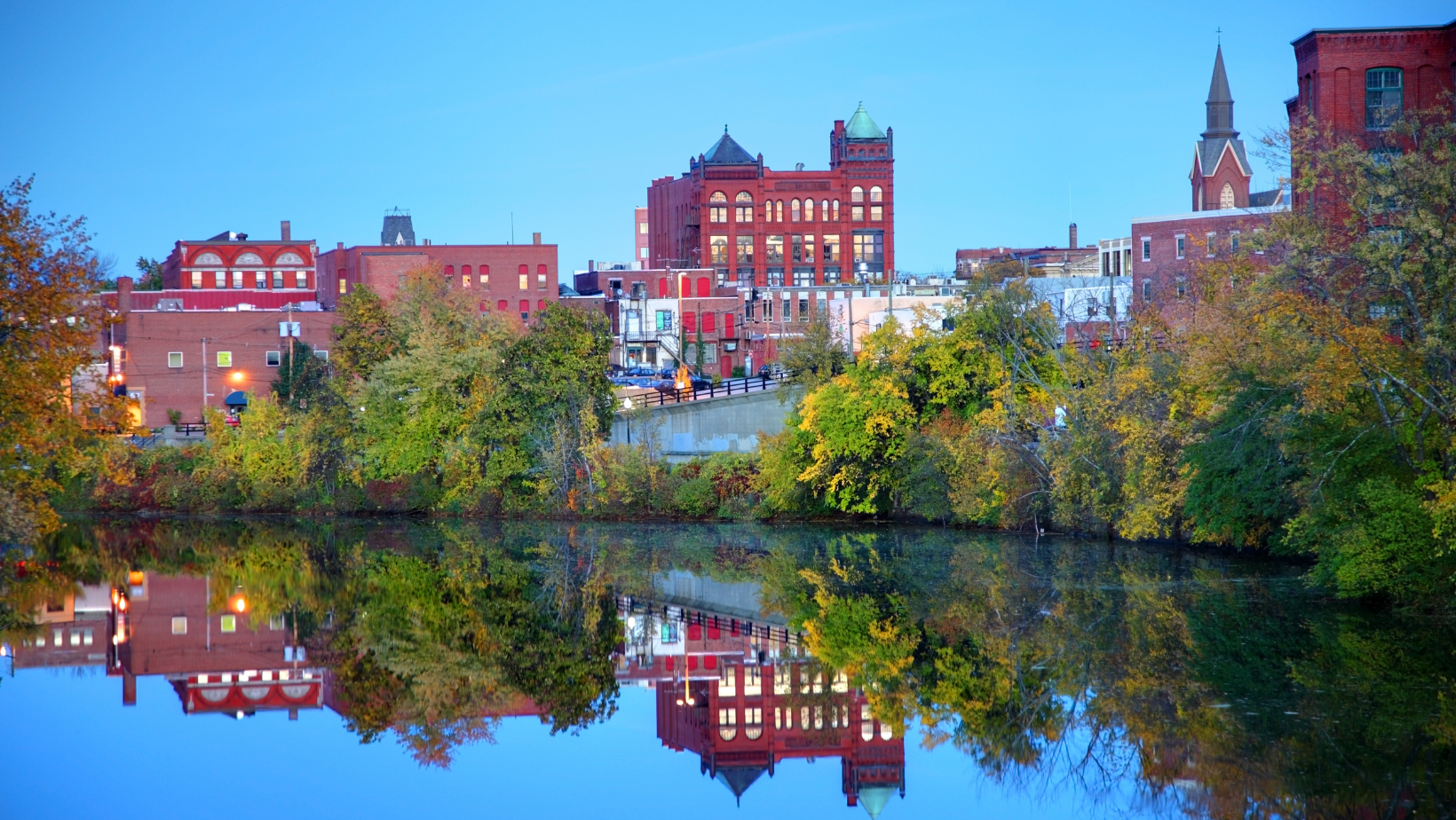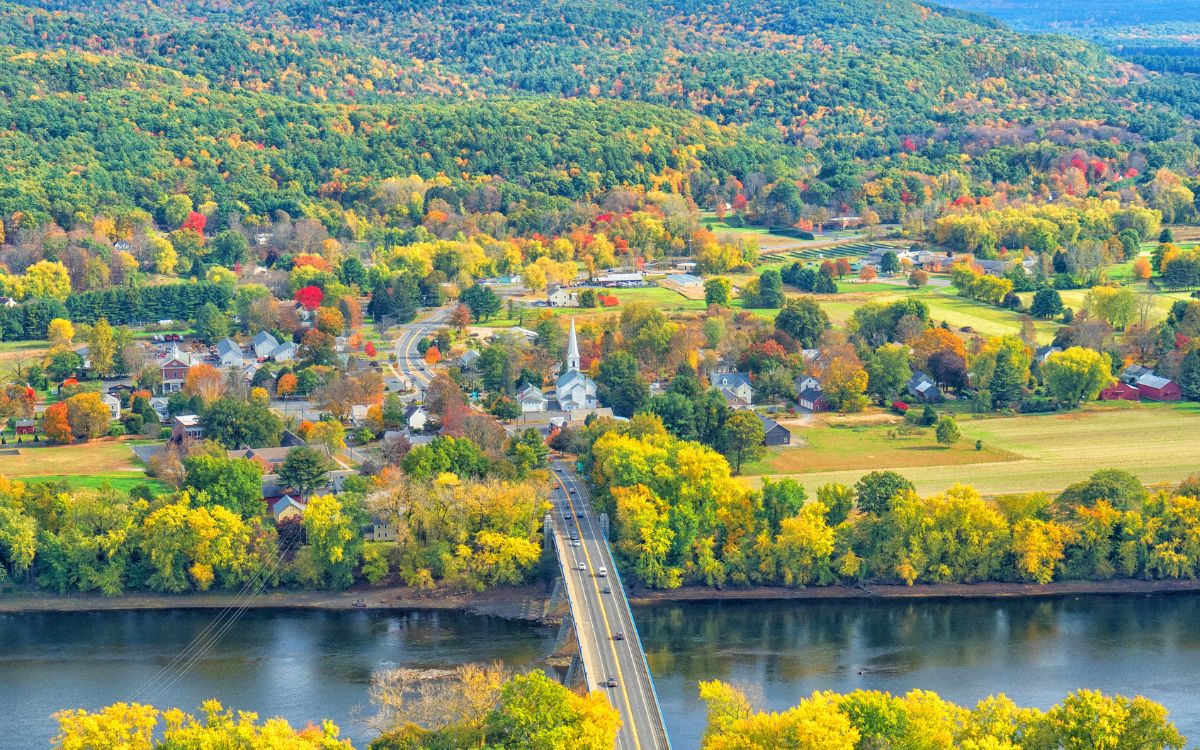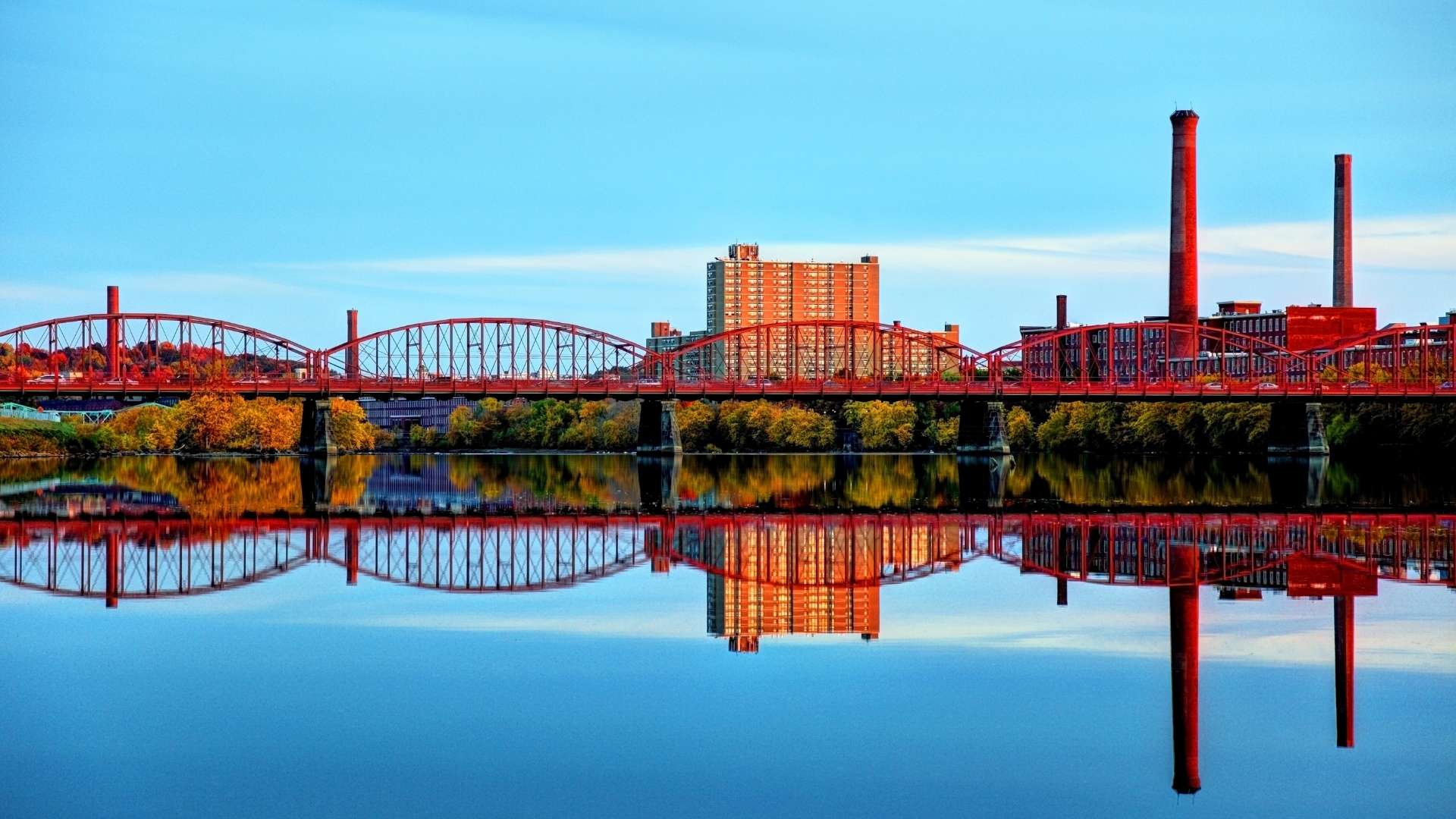
New Hampshire is one of the most beautiful states in the United States. New Hampshire, also called The Granite State, is a great place to move to if you love peace and quiet, beautiful scenery, and a good quality of life. Read on to learn more about New Hampshire and why you should consider moving there.
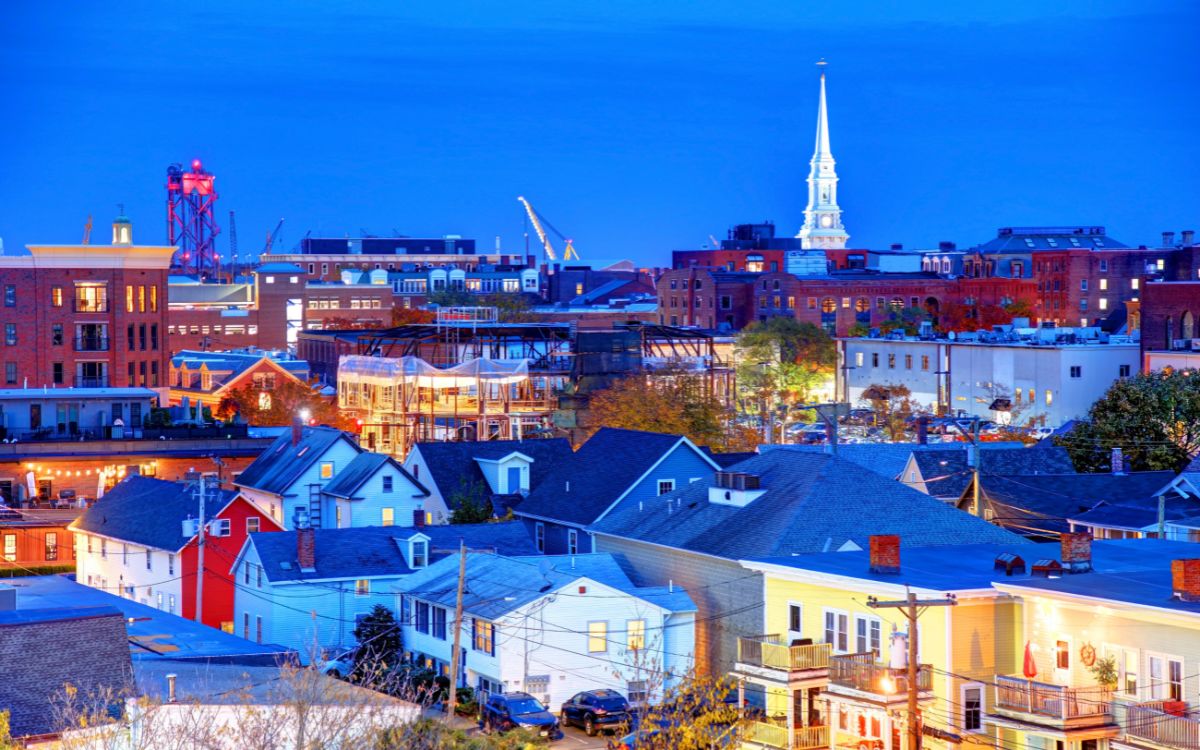
10 Reasons You Should Consider Moving to New Hampshire
New Hampshire is a naturally beautiful and peaceful place to live and raise a family. There are many reasons why one would want to live there. The following section details ten reasons you should consider moving to New Hampshire.
1. Scenic Beaches and Lakes
New Hampshire has many beautiful outdoor places that are fun to visit. New Hampshire has 13 miles of coastline along the Atlantic Ocean, and these 13 miles have many gorgeous beaches. Hampton Beach is one of New Hampshire’s most beautiful and well-known beaches. This beach is known for its soft, white sand.
Another beautiful beach is North Beach. This beach is quieter and less busy than Hampton Beach. It’s the perfect place to escape from the world and have a relaxing, quiet day. Besides its many gorgeous beaches, New Hampshire has several beautiful lakes you can visit for a day of fun or relaxation.
One such lake is Lake Winnipesaukee. This is New Hampshire’s most popular lake, and this picturesque body of water has many water sports and family-friendly activities. Other popular lakes in New Hampshire include Squam Lake and Lake Sunapee. These are all beautiful places where you can spend a fun day, or several days, enjoying time with your family.
2. The White Mountains
If you love the outdoors, then New Hampshire is the perfect state for you. New Hampshire has the beautiful White Mountains, which are a segment of the Appalachian Mountains. This is pretty rugged terrain, perfect for the outdoorsmen to explore. It is a popular destination for hikers and mountain bikers. If you prefer to take in the gorgeous views the easy way, you can take a scenic drive through the mountains instead.
3. Naturally Beautiful Forests
The forests in New Hampshire are unspoiled, natural beauty. These forests are full of trees such as White Pine, Northern Hardwood, and Spruce-fir. The White Mountain National Forest is the largest and most popular forest in New Hampshire and includes the White Mountains. The Franconia Notch and Madame Sherri Forest are among the most popular forests in New Hampshire, as well. All of these naturally beautiful forests are perfect for anyone who enjoys activities like hiking, fishing, hunting, picnicking, or rockhounding.
4. Four Seasons to Enjoy
If you move to New Hampshire, you’ll enjoy having four seasons of weather. New Hampshire is near the ocean and also near mountains, lakes, and rivers. This all leads to a changeable climate. There are often large daily temperature changes and large seasonal changes. Winters in New Hampshire can be harsh, but summers are short and cool. If you hate the heat, it’s the perfect place for you, and of course, Autumn in New Hampshire is breathtaking.
5. Safety
New Hampshire is one of the safest states in the country. The 2024 FBI Uniform Crime Report puts the state’s violent crime rate at 110.1 per 100,000 residents, the second lowest in the nation behind Maine. The national average is 359.1. Property crime tells the same story. New Hampshire reported 918 property crimes per 100,000 people, second lowest in the country, against a national rate of 1,760.1. WalletHub’s 2025 safety index ranked New Hampshire third overall, citing the state’s low mass-shooting count and second-lowest aggravated assault rate per capita. If you are moving with kids, the data backs up the reputation.
6. Interesting Museums
New Hampshire has plenty of fun indoor activities, as well. There are several interesting historical museums you can visit. One museum you should definitely visit is the Enfield Shaker Museum in Enfield, NH. This is an outdoor history museum where you can learn about the Shakers, who lived there from 1793 to 1923. There you can view the largest Shaker dwelling house ever built, the Great Stone Dwelling House.
Another fun museum to visit is the New Hampshire Children’s Museum. This is a great place to take the kids to learn and be entertained. Kids can dig for dinosaur bones or learn about submarines or aerodynamics. There are many other interesting museums, including the New Hampshire Telephone Museum in Warner, the Currier Museum of Art in Manchester, and the USS Albacore Submarine and Museum in Portsmouth.
7. Picturesque Towns and Villages
New Hampshire has many pretty and cozy small towns and villages. Here, we’ll take a look at a few of the smaller charming towns New Hampshire has to offer. Portsmouth, NH, is a beautiful smaller town full of culture and history. This town sits along the Piscataqua River and was founded in 1623. As New Hampshire’s oldest settlement, it has many homes dating from the 17th and 18th centuries.
Hanover is another example of a picturesque small town. With a population of only 11,870, this small town is full of New England charm and history. Hanover is part of the upper Connecticut River Valley and has gorgeous mountain views. Other beautiful and historic towns in New Hampshire include Sugar Hill, Peterborough, Meredith, Harrisville, and Exeter, although there are many more.
8. Near Boston
The whole state of New Hampshire is not that far from the huge metropolis that is Boston, Massachusetts. New Hampshire shares a state line with Massachusetts, and many residents of New Hampshire commute to work in Boston. Boston has many fun city activities, such as visiting Fenway Park or touring museums. You can enjoy the rural charm of life in New Hampshire while being a short drive away from the big city.
9. Strong Economy and Low Unemployment
New Hampshire’s unemployment rate was 3.0% in November 2025, below the 4.2% national average reported by the Bureau of Labor Statistics. The state’s largest employers cluster in healthcare, defense, finance, and education. Dartmouth Health, BAE Systems, Fidelity Investments, and Liberty Mutual all run major operations in the state. Hillsborough County alone employs about 198,500 workers with average weekly wages above the national mean. Manufacturing and tech corridors run from Nashua up through Manchester and out to Portsmouth. Remote workers also win here, since New Hampshire does not tax wages from any employer in any state.
10. No Sales Tax and No Income Tax
New Hampshire’s tax picture got dramatically better in 2025. The state already had no sales tax. As of January 1, 2025, the state’s last remaining individual income tax (the Interest and Dividends Tax) was fully repealed under House Bill 2 (Chapter 79, Laws of 2023). New Hampshire is now the only state in the country with no individual income tax and no sales tax at either the state or local level. The Tax Foundation’s 2026 State Tax Competitiveness Index ranks New Hampshire #3 nationally, jumping past Texas. AARP added New Hampshire to its list of states with zero tax on personal income, including investment income.
What that means in practice:
- No tax on wages, salaries, or self-employment income.
- No tax on Social Security, pensions, IRA, or 401(k) withdrawals.
- No tax on interest, dividends, or capital gains.
- No estate or inheritance tax.
- No sales tax on groceries, clothing, electronics, or vehicles.
The trade-off is real. Property taxes are high. New Hampshire’s average effective property tax rate sits around 1.61% to 1.89% depending on the source, among the top five highest in the country. We cover the math in the housing section below. For most movers from Massachusetts, New York, California, or Connecticut, the income tax savings still outweigh the property tax bump.
Where to Live in New Hampshire by Region
New Hampshire is small, but each region feels like its own state. Pick the right one and you save yourself a second move later. Pick the wrong one and you’ll spend two hours a day in a car.
Seacoast Region
The 13 miles of Atlantic coastline plus the towns just inland. Portsmouth is the anchor city. Dover, Exeter, Hampton, Stratham, and Rye fill out the area. The Seacoast pulls in tech workers, biotech employees, and Boston commuters who want walkable downtowns and ocean access. Median home prices run highest in the state. If you’re targeting this corner, our team handles every move into Portsmouth and the surrounding Seacoast towns.
Merrimack Valley
The economic spine of the state. Runs along I-93 from the Massachusetts border up through Nashua, Merrimack, Manchester, and Concord. This is where most of the jobs are. It’s also where most newcomers land. We move more families here than anywhere else, with crews based in Nashua, Merrimack, and serving Manchester daily.
Lakes Region
Center of the state. Lake Winnipesaukee, Squam Lake, Lake Sunapee, plus a hundred smaller bodies of water. Towns like Meredith, Wolfeboro, Laconia, and Gilford. Heavy summer-home and second-home market. Year-round population is smaller. Healthcare access is more limited than in the south. Good fit for retirees and remote workers.
White Mountains and North Country
Tax-haven cabins, ski-town living, and serious outdoor culture. Conway, Lincoln, Bretton Woods, and Jackson are the main hubs. Winter is long. Internet is patchy in spots. Property is cheaper than the south. The closest large hospital is Dartmouth Hitchcock in Lebanon.
Monadnock Region
Southwest corner. Keene, Peterborough, Jaffrey. Quiet, artsy, and significantly cheaper than the Seacoast. Strong farming and craft scene. Long drive to a major airport.
Upper Valley
Around Lebanon and Hanover, on the Connecticut River. Dartmouth College and Dartmouth Hitchcock Medical Center anchor the local economy. Highly educated population. Hanover is one of the most expensive towns in the state.
If you don’t know which region fits, we can talk it through. Our relocation assistance team helps people sort this out every week.
The Real Cost of Living and Housing in New Hampshire
The single biggest question we get from out-of-state callers: what does a house actually cost?
Here are the 2025 numbers from the New Hampshire Association of Realtors:
- Median single-family home price in 2025: $535,000, a record high.
- Rockingham County (Seacoast plus southern tier) median: $670,000.
- Statewide affordability index: 58. That means median household income is only 58% of what’s needed to qualify for the median home.
- Average property tax rate in 2024: $17.03 per $1,000 of assessed value. So a $500,000 home runs about $8,500 a year.
- Median rent for a two-bedroom in southern NH: about $1,950 to $2,300, depending on town.
Compare that to Boston-area rentals at $2,800 plus, and the math starts to work for commuters. Compare it to coastal California or Westchester County, and New Hampshire looks cheap.
What’s actually cheaper here than in nearby states:
- Income tax (zero, vs 5% to 13% elsewhere in the Northeast).
- Sales tax on cars, furniture, electronics (zero).
- Auto registration on most vehicles.
- Most groceries (no tax, plus competitive Hannaford and Market Basket pricing).
What is more expensive:
- Property tax per assessed dollar.
- Heating oil and electricity, especially January through March.
- Internet in rural areas.
Most movers from Massachusetts come out clearly ahead. Movers from low-tax states like Florida or Texas need to do the math more carefully.
Moving from Massachusetts, Boston, or Out of State to New Hampshire
A big share of new New Hampshire residents come from one place: Massachusetts. The Carsey School at the University of New Hampshire studied migration patterns and found family, employment, and the natural environment as the top three drivers for recent migrants.
Moving from Massachusetts to New Hampshire
The most common cross-border move we handle. People sell in Andover, Lowell, or Cambridge and buy in Hudson, Bedford, or Salem NH. The savings start with the 5% Massachusetts income tax, which disappears the day you become a New Hampshire resident. Add no sales tax, plus typically more square footage for the dollar. Many people keep their Boston-area job and commute. Routes I-93 and I-95 carry the bulk of that traffic. Manchester-Boston Regional Airport gives you a smaller-volume option with shorter security lines than Logan.
We move people across that border every week, both directions, from our Massachusetts service hub.
Moving from Boston to New Hampshire
Most Boston-to-NH movers settle in the southern tier: Salem, Windham, Pelham, Hudson, Nashua, or Bedford NH. Commute times to downtown Boston run 50 to 75 minutes by car, faster by Amtrak Downeaster from Exeter or Dover. The trade-off is real. You give up walkability and dense restaurants. You get a yard, lower taxes, and a quieter life.
Long-Distance Moves from California, New York, or Further
Out-of-state moves are a different category. They need licensed interstate carriers, USDOT-tracked paperwork, and tighter scheduling. We’ve handled cross-country moves for 30 plus years. See our long-distance moving services for how we structure those.
If you need short-term storage between selling and closing, that’s also covered. Storage bridges the gap so you don’t end up paying double rent for a month.
Best New Hampshire Towns for Families and Retirees
Two different audiences, two different shortlists.
For Families with School-Age Kids
The strongest public school districts cluster in the south:
- Bedford (SAU 25): Bedford High School consistently ranks in NH’s top tier. Strong arts and athletics.
- Hollis-Brookline (SAU 41): Small district, top academic outcomes, rural-suburban feel.
- Hanover (SAU 70): Dartmouth-influenced. Hanover High is one of the best public schools in New England.
- Amherst and Souhegan (SAU 39): Souhegan High in Amherst is a nationally recognized model school.
- Windham and Pelham: Strong districts with rapid growth from MA migrants.
Crime data matters here too. Hollis reported the lowest violent crime rate in the state per the latest FBI data, with 11 incidents per 100,000 residents. Multiple towns reported zero violent crimes for the year, including Strafford, Hopkinton, Newton, and Candia.
We move families into Bedford, Hudson, Hollis, Derry, and surrounding towns regularly.
For Retirees and 55+
New Hampshire’s tax structure is now one of the best in the country for retirees:
- Zero state tax on Social Security, pensions, 401(k), or IRA withdrawals.
- Zero tax on interest, dividends, or capital gains as of January 1, 2025.
- Property tax exemptions are available for residents age 65 and older. Most towns offer an elderly exemption that reduces assessed value before tax is calculated.
- No estate or inheritance tax at the state level.
AARP added New Hampshire to its 2025 list of states where retirees pay no state tax on personal income.
Popular retiree areas include the Seacoast (Portsmouth, Exeter, Dover), the Lakes Region (Meredith, Gilford, Wolfeboro), and the Upper Valley (Hanover, Lebanon, near Dartmouth Hitchcock for healthcare access). If healthcare proximity is a priority, build your shortlist around hospital systems first, not zip codes.
The Honest Drawbacks: What Most Articles Won’t Tell You
If you only read the pros, you’ll get blindsided by the cons. Here’s the honest list.
Winters are long and serious. Plan for snow tires, a snow blower or a plow service, and at least four full months of cold. December through March averages below freezing in most of the state. Heating costs run high if your home uses oil. Electric heat pumps help, but the initial install cost is real.
Property tax is among the highest in the nation. New Hampshire trades income tax for property tax. The average effective rate ranks in the top five nationally. Towns with strong school systems usually carry the highest rates. Bedford, Hanover, and Bow are examples. Run the property tax math before you commit to a town.
Public transit barely exists outside Manchester and Nashua. The Manchester Transit Authority runs limited bus routes. Outside the bigger cities, you need a car. Two cars if you have two adults working in different directions.
Healthcare access varies sharply by region. The southern tier has Catholic Medical Center, Elliot Hospital, Southern New Hampshire Medical Center, and Portsmouth Regional. The North Country and parts of the Lakes Region have far fewer specialists. For complex care, residents drive to Boston or to Dartmouth Hitchcock in Lebanon.
Rural broadband is uneven. Fiber rollouts have improved southern NH, but rural areas still see DSL or fixed wireless as the only option. If remote work is non-negotiable, check service availability at your specific address before you sign a purchase and sale.
Mud season is real. Late March through April, dirt roads turn to soup. Some camp roads become impassable for weeks. Plan accordingly if you’re shopping rural.
Diversity is limited in much of the state. New Hampshire is roughly 90% white per Census estimates. Cities like Manchester and Nashua are more diverse. Most rural towns are not.
We tell people this straight because it matters. A move that doesn’t fit costs more than the move itself.
What It’s Like to Live in New Hampshire Day to Day
Once the move boxes are unpacked, what does daily life actually look like?
You drive everywhere. Most homes are on more land than people coming from MA, NJ, or NY are used to. You meet your neighbors at town meeting, the dump, or the local farmers market. Town meetings are real here. New Hampshire has more legislators per capita than any other state, and town governance is hands-on.
Outdoor life is a year-round default. Summer means lakes, hiking, and farm stands. Fall is the foliage tourism season. Winter brings ski resorts at Cannon, Loon, Waterville, Bretton Woods, and Mount Sunapee. Spring is short and muddy.
Restaurants and arts hit harder than visitors expect. Portsmouth has a serious food and music scene. The Currier Museum of Art in Manchester, the Capitol Center for the Arts in Concord, and the Music Hall in Portsmouth all run strong programming. The Hopkinton State Fair, the Deerfield Fair, and the New Hampshire Highland Games anchor the late-summer calendar.
The pace is slower than Boston, faster than rural Vermont. Most people moving here from a major metro feel the difference within the first month.
College Bound Movers in New Hampshire has the moving services you need. Contact us today for a free estimate for your upcoming move to New Hampshire.

Frequently Asked Questions
1. Is New Hampshire a good place to live in 2025?
Yes. New Hampshire ranks in the top 5 of nearly every safety, quality-of-life, and tax-friendliness index for 2025. WalletHub ranks it the third-safest state in the country. The Tax Foundation ranks its tax structure third best. The state has no income tax, no sales tax, low violent crime, and easy access to mountains, lakes, and the Atlantic. The main trade-offs are high property taxes, long winters, and limited public transit outside the bigger cities.
2. Why are people moving to New Hampshire?
Research from the Carsey School at the University of New Hampshire identifies three main drivers: family ties, employment, and the natural environment. The 2025 income tax repeal added a fourth factor for high earners and retirees. Many recent migrants come from Massachusetts, drawn by lower overall taxes and more square footage per dollar.
3. Does New Hampshire have a state income tax?
No. As of January 1, 2025, New Hampshire has no individual income tax of any kind. The Interest and Dividends Tax, which had taxed investment income at 3% in 2024, was fully repealed. New Hampshire is now the only state in the country with no individual income tax and no sales tax at any level of government.
4. How much does it cost to live in New Hampshire?
The 2025 statewide median single-family home price is $535,000 per the New Hampshire Association of Realtors. Rockingham County sits higher at $670,000. Two-bedroom rents in southern NH typically run $1,950 to $2,300. Property tax averages $17.03 per $1,000 of assessed value. Cost of living is slightly above the national average overall, but well below Boston, New York, or coastal California.
5. What are the pros and cons of moving to New Hampshire?
Pros: No income tax, no sales tax, low crime, four real seasons, proximity to Boston, strong public schools in the southern tier, mountains and ocean within an hour of each other.
Cons: Long winters, high property taxes, limited public transit, uneven rural broadband, high heating costs, healthcare gaps in northern regions, low diversity in rural towns.
6. What kind of outdoor activities are available in New Hampshire?
Hiking and skiing in the White Mountains, boating and swimming on Lake Winnipesaukee and Squam Lake, surfing and beachgoing at Hampton Beach and Rye, fishing throughout the state, snowmobiling on a 7,000-mile trail network, and apple-picking and fall-foliage drives every September and October.
7. Is New Hampshire a safe state to raise a family?
Yes. New Hampshire reported the second-lowest violent crime rate in the country in 2024 per FBI data, at 110.1 per 100,000 residents. Several towns reported zero violent crimes for the year. The state ranks in the top 3 nationally for child safety per WalletHub’s 2025 index.
8. How close is New Hampshire to Boston?
Most of southern New Hampshire is 45 to 75 minutes from Boston by car. Salem NH is 35 miles from downtown Boston. Manchester is 55 miles. The Amtrak Downeaster runs from Exeter and Dover into Boston’s North Station. Manchester-Boston Regional Airport handles flights with shorter waits than Logan.
9. Where should I live in New Hampshire?
Match the region to your life:
- Commuting to Boston: Salem, Windham, Pelham, Nashua, Bedford NH.
- Coastal living: Portsmouth, Dover, Exeter, Rye, Hampton.
- Best schools: Bedford, Hollis-Brookline, Hanover, Amherst (Souhegan).
- Retirees: Portsmouth, Exeter, Hanover, Meredith, Wolfeboro.
- Outdoor lifestyle: Conway, Lincoln, Plymouth, anywhere in the Lakes Region.
- Affordable and quiet: Keene, Peterborough, Claremont.
10. Is New Hampshire tax-friendly for retirees?
Yes. Social Security, pensions, IRA withdrawals, 401(k) distributions, capital gains, interest, and dividends are all untaxed at the state level. New Hampshire has no estate tax and no inheritance tax. Most towns offer additional property tax exemptions for residents 65 and older. AARP listed New Hampshire among its top tax-friendly states for retirees in 2025.
11. What’s the unemployment rate in New Hampshire?
3.0% as of November 2025 per the U.S. Bureau of Labor Statistics, below the national average of 4.2%. Healthcare, defense, finance, and education employ the largest workforces. Major employers include Dartmouth Health, BAE Systems, Fidelity Investments, and Liberty Mutual.
12. How hard is it to move to New Hampshire from out of state?
Cross-state moves require an interstate-licensed carrier, USDOT-registered paperwork, and accurate inventory documentation. Distance affects pricing more than weight on most long-distance moves. We have moved families into New Hampshire from every state in the country. Get a free moving estimate to see what your specific route looks like.