
You’re bound to get attached to your home when you’re a homeowner. You chose it in the first place, after all. Making repairs, customizing aspects of the home, and creating memories in your house will only strengthen this connection. That said, there may come a time when your current home is no longer the right fit for you. Perhaps your family has grown, your needs have evolved, or you’re just ready for a change.
Your home is more than just four walls. It’s where you build memories, share meals, and rest after long days. But over time, even the most beloved space can start to feel too small, inconvenient, or limiting. Starter homes are especially easy to outgrow. What fit you perfectly as a first-time buyer may feel cramped just a few years later.
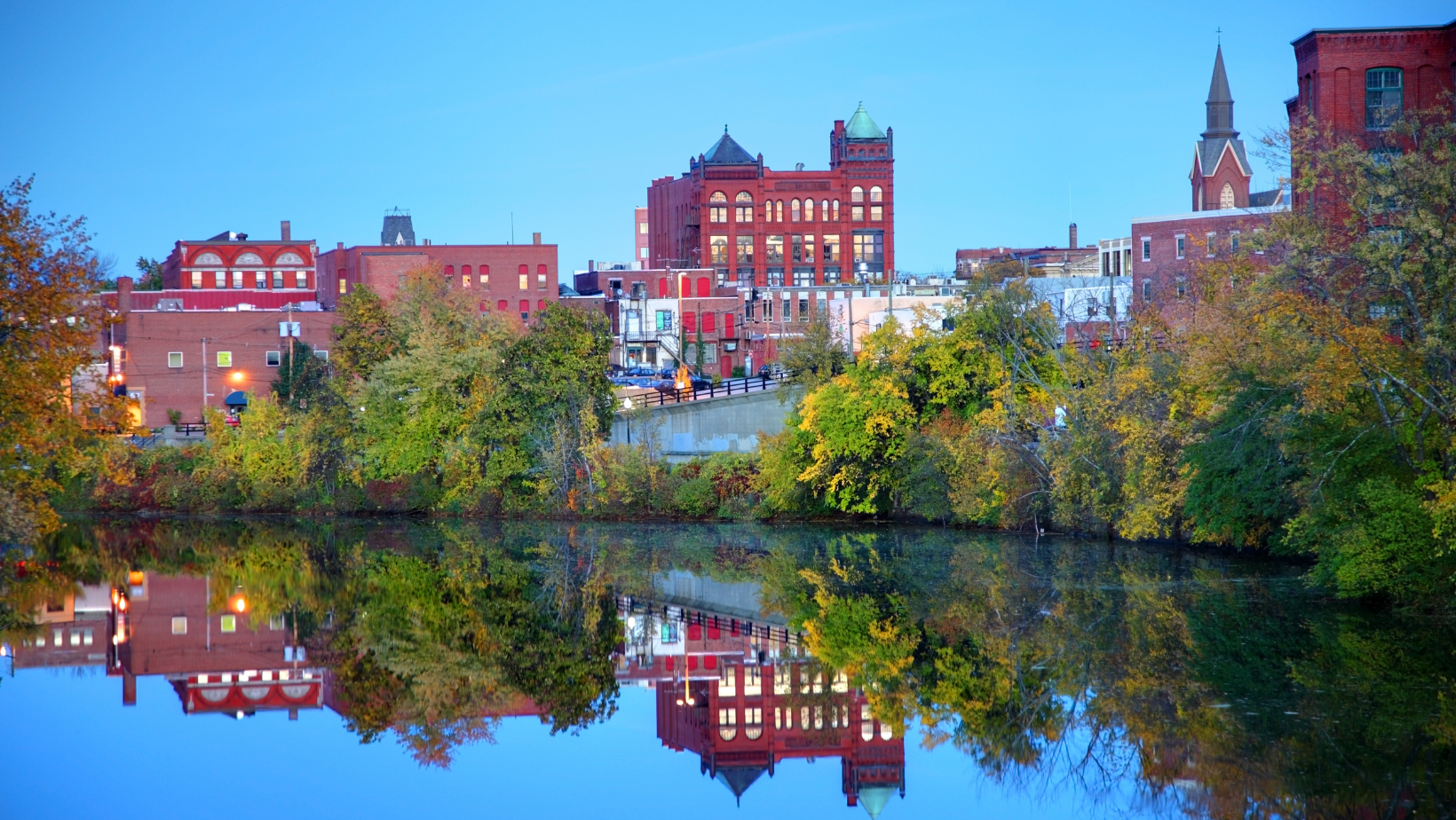
If you’re living in Manchester, Concord, or Nashua and starting to wonder whether your current home still works for you, you’re not alone. Thousands of New England families eventually reach the point where they’ve outgrown their houses and start thinking about upsizing.
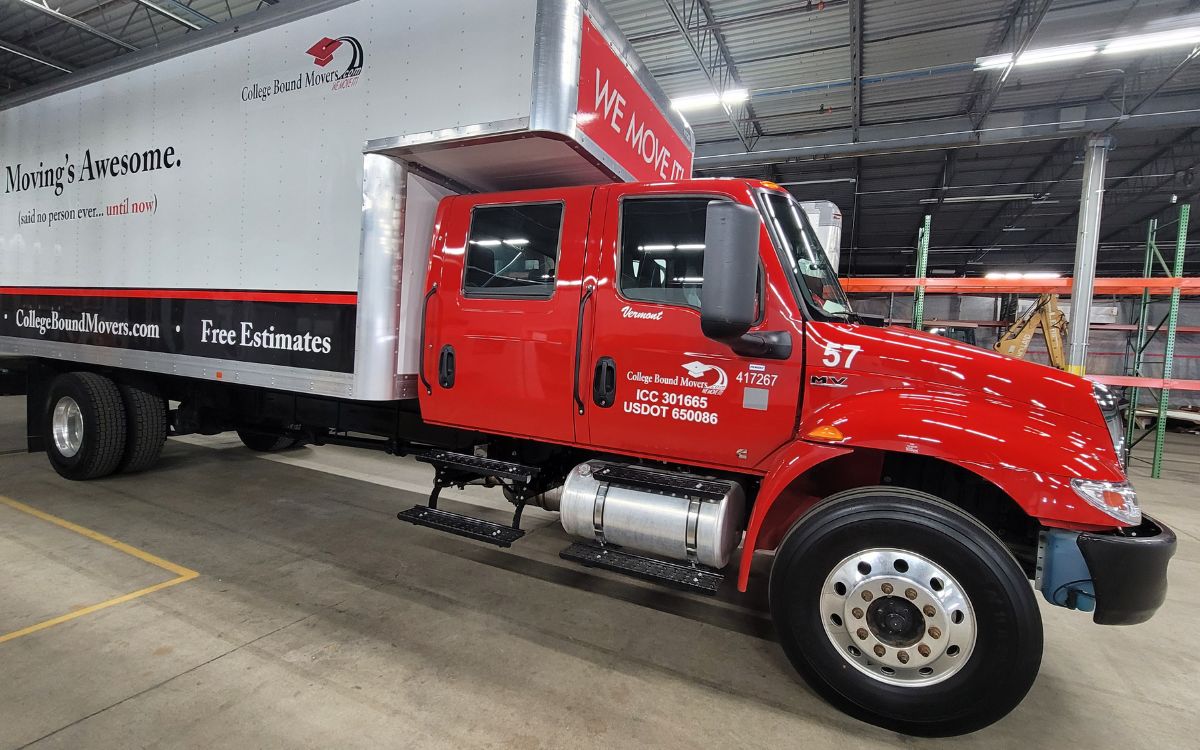
Since 1991, College Bound Movers has helped families across New Hampshire and New England make smooth transitions into homes that truly fit their needs. If you’ve been asking yourself, “Is it time to move?”, here are the most common signs.

1. Your Family Is Growing
One of the clearest signals you’ve outgrown your home is an expanding household.
- New baby on the way? Suddenly, that spare room in your Concord condo becomes a nursery.
- Blended families? Stepkids, in-laws, or grandparents moving in may require extra bedrooms.
- College kids returning home? In New Hampshire towns like Durham or Hanover, it’s common for students to live at school part-time and then come back for summers or breaks.
If your family is bumping into each other in the hallway or competing for bathroom time, it’s a clear indication you’ve outgrown your home.
2. Too Much Clutter and Not Enough Storage

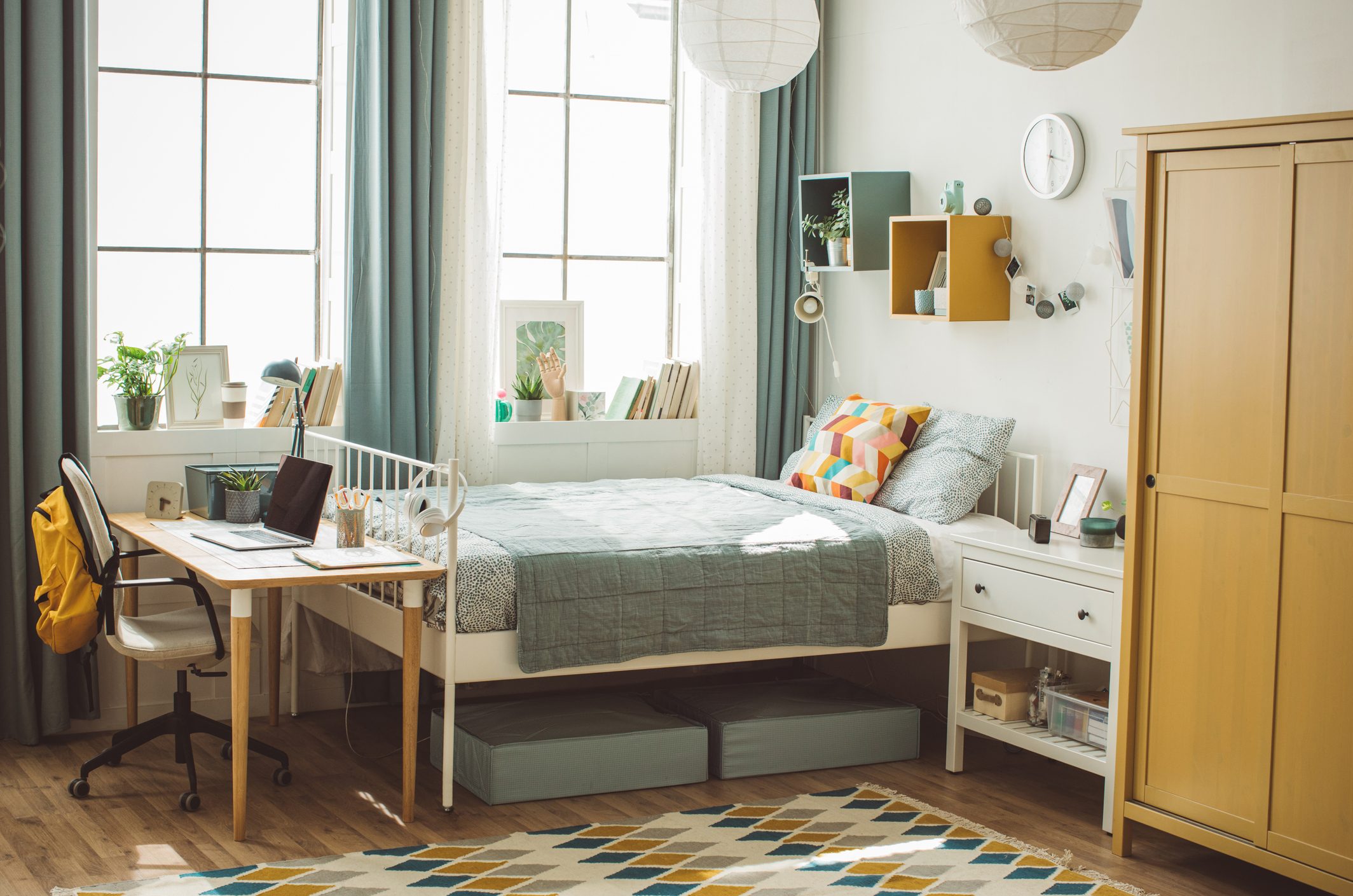
The longer you live in a home, the more things you acquire. If belongings keep piling up and you have no place to store them, that’s one of the top signs your house is too small. When items are left lying everywhere, people trip over things, knock items off shelves, or break valuables. That’s a safety problem, not just a clutter problem.
Signs you need more storage space include:
- Seasonal gear (skis, snowblowers, kayaks for Lake Winnipesaukee weekends) is overtaking your garage.
- Holiday decorations are stacked floor-to-ceiling in basements.
- Closets where winter coats for New England’s long winters simply won’t fit.
Portable storage or renting space in Merrimack Valley might provide a short-term fix. But if every new purchase feels like a game of Tetris, it may be time for a larger home.
3. Not Wanting to Invite People Over
Do you avoid having people over because you’re embarrassed that your home is too small or doesn’t have room for guests? It’s always nice to have space for entertaining whenever you want.
Hosting is an important part of homeownership. It builds stronger relationships with friends and family. It also helps you form more happy memories in your house. Even if you socialize in other places, never having people over can make you feel isolated.
If you hesitate to host friends or family because your space feels cramped, outdated, or uncomfortable, that’s another red flag.
- No room for holiday dinners.
- Living room too small for sports nights or birthday parties.
- No guest rooms when family visits from Boston or Portland, ME.
New England culture is rich in community gatherings, Red Sox watch parties, and family get-togethers. If your home doesn’t allow you to participate, upsizing could restore your confidence in entertaining.
4. Daily Life Feels Cramped
Does your home no longer fit your lifestyle? Maybe you weren’t spending much time at home when you first bought the property. But that changed, especially during the pandemic. If you feel cramped or stuck at home, that’s probably the strongest indicator you need a bigger house. Living in a space that feels uncomfortably small can decrease your quality of life and make spending time at home unenjoyable.
It’s not just about square footage. It’s about lifestyle fit.
- Remote work is growing. Many in Portsmouth or Keene now need dedicated home offices.
- Kids need playrooms or study spaces.
- Couples want personal corners to unwind.
If every activity feels like a negotiation for space, your home may be holding you back. Imagine the relief of a bigger kitchen in Bedford or an extra den in Dover, spaces that support how you live today.
5. You Find Yourself House-Hunting Online

Do you find yourself looking around at other places or window shopping for larger houses? Even if you don’t consciously realize it, browsing listings is your mind’s way of telling you it’s time to go.
Outgrowing your home doesn’t have to be physical. Your home should represent who you are as a person. As you grow, the things you need in a home change too. Sometimes making changes to your current home won’t be enough. The only way forward is to move into a property that fits who you’ve become.
If you’re browsing Zillow listings in Southern NH, daydreaming about larger kitchens or finished basements, your heart may already be moving on. Many families begin by “just looking” at homes in areas like Amherst, Exeter, or the Seacoast. That curiosity often turns into action once they see how much more space is available nearby.
6. Renovations Won’t Solve the Problem
Some homeowners consider remodeling instead of moving. But in many New England towns, expansion isn’t always possible:
- Historic districts in Portsmouth have strict regulations.
- Small city lots in Manchester limit add-ons.
- Renovation costs in New Hampshire can approach the price of moving altogether.
If you’ve already maximized your basement, attic, or garage, moving might be the only way to get the space you need. This is especially common with starter homes. They were built for affordability, not long-term growth.
7. Lifestyle Changes Demand More Space
Life evolves. Your home should too.
- Remote jobs: A dedicated office is no longer optional for many New England professionals.
- Outdoor hobbies: Skiing in the White Mountains or sailing on the coast demands storage for gear.
- Aging parents: Multi-generational households are common, requiring in-law suites or extra bedrooms.
When your current home limits your lifestyle, it’s time to move into one that supports it.
How to Tell If You’ve Outgrown Your Starter Home
Starter homes serve a purpose. They get you into the housing market. But they’re not designed to be forever homes. Most starter homes in New Hampshire are under 1,500 square feet with two or three bedrooms. That works fine for a single person or a couple. It stops working when your household grows or your needs shift.
Here’s how to know your starter home has run its course:
- You bought the home before kids, and now you have one or more.
- You work from home and have no dedicated office space.
- You’ve converted every closet, corner, and garage bay into storage, and it’s still not enough.
- The house has one bathroom and multiple people need it every morning.
- You’ve owned the home for five or more years and your income supports a larger property.
If three or more of these apply, you’ve likely outgrown your starter home. The good news is that families who bought starter homes in places like Londonderry, Merrimack, or Hudson have strong equity to put toward a bigger property.
Aging in Place vs. Moving to a Bigger Home
Not everyone outgrows a home because of family size. Some homeowners face a different question: should I remodel my current home to age in place, or move to a home that already fits my future needs?
Aging-in-place renovations, like adding a first-floor bedroom, widening doorways, or installing grab bars, can be expensive. In towns like Londonderry or Milford, renovation costs often exceed $50,000 for meaningful accessibility upgrades. Zoning restrictions can limit what you’re allowed to build.
Moving to a single-story home or a property with an in-law suite already built may be more practical, and sometimes more affordable. It also avoids months of construction disruption.
If you’re weighing aging-in-place remodeling against relocating, consider these factors:
- Cost: Compare renovation quotes to the price of buying a home that already has what you need.
- Timeline: Renovations in NH often take 3 to 6 months. Moving can happen in weeks.
- Resale value: Not all accessibility upgrades increase home value.
College Bound Movers has helped many New Hampshire families relocate to homes better suited for their next stage of life.
Thinking About Downsizing Instead?
Outgrowing a home doesn’t always mean upsizing. Some homeowners realize their house is too much to maintain. Empty nesters, retirees, or people simplifying their lives may need a smaller, more efficient space.
If that sounds like you, check out our guide on how to downsize your home before a move. It covers what to keep, what to donate, and how to make the transition easier.
How College Bound Movers Helps
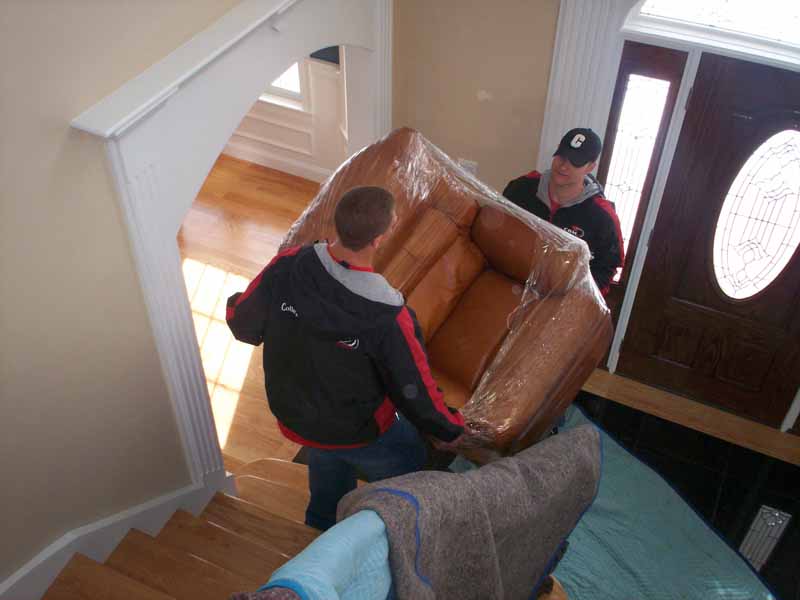
Once you decide it’s time, the next step is finding movers in New Hampshire who understand both the logistics and the emotions of relocating. That’s where College Bound Movers comes in.
Services We Provide:
- Residential moving across New Hampshire and New England.
- Commercial moving for offices in Manchester, Nashua, and beyond.
- Long-distance moving to anywhere in the U.S.
- Portable storage containers for flexible timelines.
- Packing services to save you time and stress.
- Labor-only moving if you just need the muscle.
We know the ins and outs of New England, from navigating Portsmouth’s historic downtown streets to carefully moving furniture into lakeside homes near Lake Sunapee.
Ready to Move Into a Home That Fits?
When you’ve outgrown your home, you need a team that cares. College Bound Movers has been helping New Hampshire families move for over three decades. Our movers are fully trained, and our damage rate is among the lowest in the industry.
Contact College Bound Movers today for a free moving estimate. Let us handle the heavy lifting so you can focus on building the next chapter of your life in New England.
Frequently Asked Questions
What are the most common signs you’ve outgrown your home?
Families usually notice when space feels cramped, storage overflows, or daily activities like hosting guests and working from home become difficult. If you bought a starter home and your household has grown, these signs show up faster.
How do I know if I should move instead of renovate?
If zoning laws, lot size, or renovation costs in New Hampshire towns like Portsmouth or Manchester make upgrades unrealistic, moving is the better option. This is especially true for starter homes on small lots with limited expansion potential.
Why do families in New England outgrow their homes faster?
Seasonal gear (skis, snowblowers, kayaks) and multi-generational living common in New Hampshire can quickly max out storage and bedrooms, making moves more frequent.
What are the benefits of upsizing to a larger home in New Hampshire?
Upsizing provides more bedrooms, dedicated office space, better storage, and comfort for family gatherings. These things matter in close-knit New England communities.
When is the best time to move in New England?
Most families move during summer when school is out. Spring and fall are also popular for avoiding winter snow and icy New Hampshire roads. Plan early and get your free estimate before peak season fills up.
How can professional movers help if I’ve outgrown my home?
Professional movers like College Bound Movers handle packing, heavy lifting, and transportation. That makes the transition into a larger space much easier.
Do moving companies in New Hampshire offer storage options?
Yes. College Bound Movers provides portable storage containers and self-storage services across Southern NH and New England for flexible moving solutions.
Is it better to age in place or move to a new home?
It depends on your budget, timeline, and needs. Aging-in-place renovations can be costly and limited by zoning. Moving to a home that already fits your future needs is often faster and more practical.